

English



Paperback
₹4699
(All inclusive*)
Delivery Options
Please enter pincode to check delivery time.
*COD & Shipping Charges may apply on certain items.
Review final details at checkout.
Looking to place a bulk order? SUBMIT DETAILS
Delivery Options
Please enter pincode to check delivery time.
*COD & Shipping Charges may apply on certain items.
Review final details at checkout.
About The Book
Description
Author
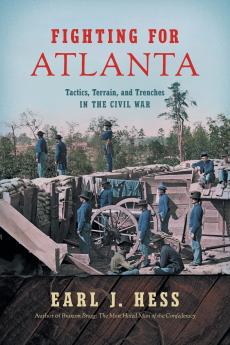
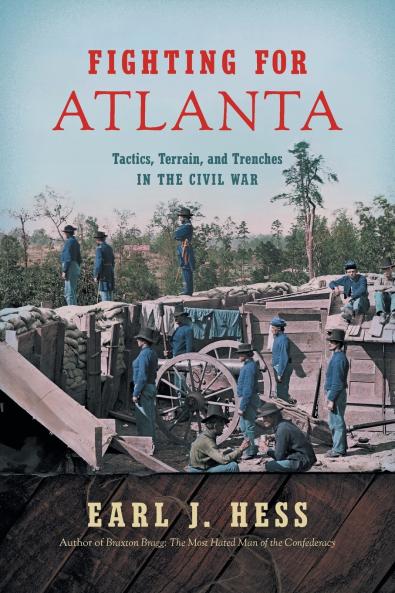
As William T. Sherman&#x2019;s Union troops began their campaign for Atlanta in the spring of 1864 they encountered Confederate forces employing field fortifications located to take advantage of rugged terrain. While the Confederates consistently acted on the defensive digging eighteen lines of earthworks from May to September the Federals used fieldworks both defensively and offensively. With 160000 troops engaged on both sides and hundreds of miles of trenches dug fortifications became a defining factor in the Atlanta campaign battles. These engagements took place on topography ranging from Appalachian foothills to the clay fields of Georgia&#x2019;s piedmont.<br/><br/>Leading military historian Earl J. Hess examines how commanders adapted their operations to the physical environment how the environment in turn affected their movements and how Civil War armies altered the terrain through the science of field fortification. He also illuminates the impact of fighting and living in ditches for four months on the everyday lives of both Union and Confederate soldiers. The Atlanta campaign represents one of the best examples of a prolonged Union invasion deep into southern territory and as Hess reveals it marked another important transition in the conduct of war from open field battles to fighting from improvised field fortifications.

Piracy-free

Assured Quality

Secure Transactions
Details
ISBN 13
9781469661483
Publication Date
-01-08-2020
Pages
-408
Weight
-577 grams
Dimensions
-156x234x23.06 mm
