

English


Paperback
₹4013
₹4380
8.38% OFF
(All inclusive*)
Delivery Options
Please enter pincode to check delivery time.
*COD & Shipping Charges may apply on certain items.
Review final details at checkout.
Looking to place a bulk order? SUBMIT DETAILS
Delivery Options
Please enter pincode to check delivery time.
*COD & Shipping Charges may apply on certain items.
Review final details at checkout.
About The Book
Description
Author(s)
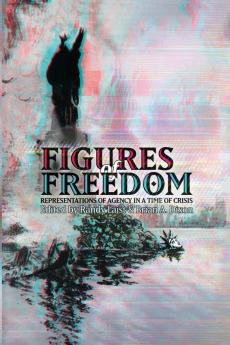
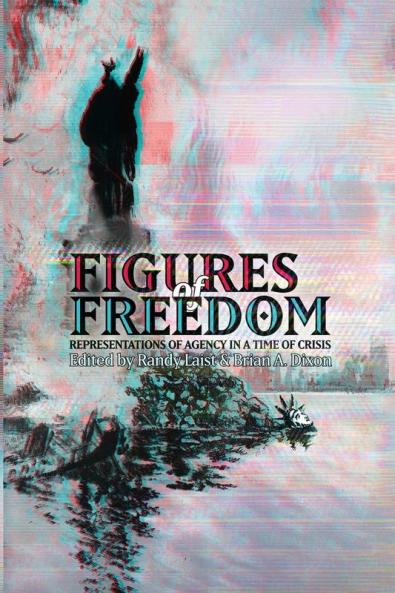
The United States of America-its politics its culture and its identity-is often framed as an evolving conversation about the nature of freedom. The word freedom is ubiquitous in political rhetoric patriotic songs advertising and activism. Conflicts in American life typically revolve around questions of what it means to be free who gets to be free the limitations of freedom and the problems and paradoxes associated with freedom.In the twenty-first century in a time of social media digital surveillance climate change pandemic management autocratic politicians and evolving attitudes about race sexuality gender and ethnicity the old question of what freedom truly entails calls for new answers new ways of thinking and even new ways of being free. In this time of crisis it is imperative that democratic populations engage in earnest and open-ended discourse about what freedom means how it is defined and what it looks like. Figures of Freedom answers the call. This provocative and thought-provoking collection of essays by an international team of scholars invites readers to witness how recent literary filmic and televisual narratives have represented and reimagined themes of personal and political agency in the context of twenty-first-century aspirations and anxieties. In various ways films as diverse as Bird Box Toy Story and Pacific Rim television series such as Mad Men and Mr. Robot and novels such as DeLillo's Zero K Whitehead's Underground Railroad and Millet's A Children's Bible all present characters who grapple with classical questions of freedom against a recognizably contemporary backdrop of terror tyranny technology and apocalypse. Together they reveal what twenty-first-century narratives can teach us about how the idea of freedom has been expanded distorted and reimagined in contemporary fiction.

Piracy-free

Assured Quality

Secure Transactions

Fast Delivery

Sustainably Printed
Details
ISBN 13
9780988392243
Publication Date
-19-04-2024
Pages
-322
Weight
-438 grams
Dimensions
-152x229x17.1 mm
