

English


Paperback
₹4411
₹5567
20.76% OFF
(All inclusive*)
Delivery Options
Please enter pincode to check delivery time.
*COD & Shipping Charges may apply on certain items.
Review final details at checkout.
Looking to place a bulk order? SUBMIT DETAILS

Piracy-free

Assured Quality

Secure Transactions
About The Book
Description
Author
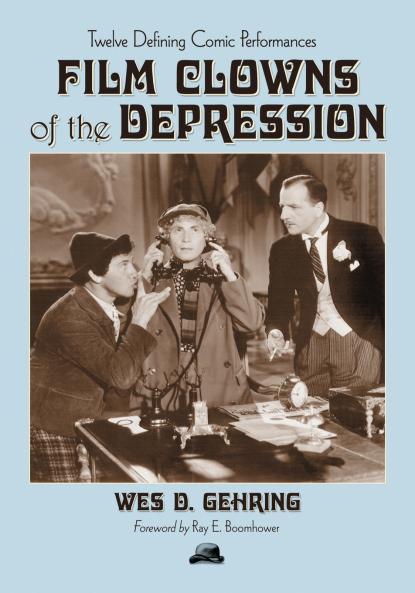
<p> The 1930s are routinely considered sound film's greatest comedy era. Though this golden age encompassed various genres of laughter clown comedy is the most basic type. This work examines the Depression decade's most popular type of comedy--the clown or personality comedian. Focusing upon the Depression era the study filters its analysis through twelve memorable pictures. Each merits an individual chapter in which it is critiqued. The films are deemed microcosmic representatives of the comic world and discussed in this context.</p><p> While some of the comedians in this text have generated a great deal of previous analysis funnymen like Joe E. Brown and Eddie Cantor are all but forgotten. Nevertheless they were comedy legends in their time and their legacy as showcased in these movies merits rediscovery by today's connoisseur of comedy. Even this book's more familiar figures such as Charlie Chaplin and the Marx Brothers are often simply relegated to being recognizable pop culture icons whose work has been neglected in recent years. This book attempts to address these oversights and to re-expose the brilliance and ingenuity with which the screen clowns contributed a comic resiliency that was desperately needed during the Depression and can still be greatly appreciated today. The films discussed are <I>City Lights</I> (1931 Chaplin) <I>The Kid From Spain</I> (1932 Cantor) <I>She Done Him Wrong</I> (1933 Mae West) <I>Duck Soup</I> (1933 Marx Brothers) <I>Sons of the Desert</I> (1933 Laurel and Hardy) <I>Judge Priest</I> (1934 Will Rogers) <I>It's a Gift</I> (1934 W.C. Fields) <I>Alibi Ike</I> (1935 Brown) <I>A Night at the Opera</I> (1935 Marx Brothers) <I>Modern Times</I> (1936 Chaplin) <I>Way Out West</I> (1937 Laurel and Hardy) and <I>The Cat and the Canary</I> (1939 Bob Hope).</p>
Piracy-free
Assured Quality
Secure Transactions
Delivery Options
Please enter pincode to check delivery time.
*COD & Shipping Charges may apply on certain items.
Review final details at checkout.
Details
ISBN 13
9780786428922
Publication Date
-16-02-2007
Pages
-218
Weight
-393 grams
Dimensions
-178x254x11.69 mm
