


English




Hardback
₹15077
₹18368
17.92% OFF
(All inclusive*)
Delivery Options
Please enter pincode to check delivery time.
*COD & Shipping Charges may apply on certain items.
Review final details at checkout.
Looking to place a bulk order? SUBMIT DETAILS
Delivery Options
Please enter pincode to check delivery time.
*COD & Shipping Charges may apply on certain items.
Review final details at checkout.
About The Book
Description
Author
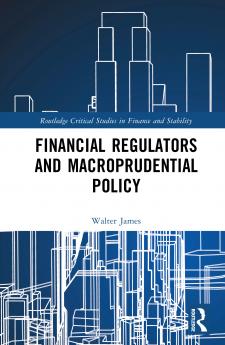
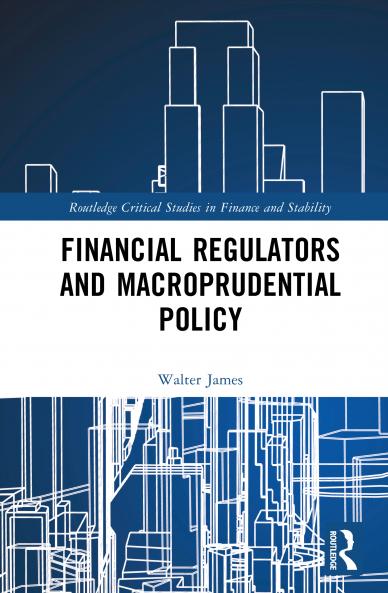
<p>The 2008 global financial crisis was a rude awakening for financial regulators. In its wake a novel approach called “macroprudential policy” became an important pillar of financial regulation to ensure the stability of the financial system. But in the decade after the crisis financial regulators in different countries implemented macroprudential policies that varied widely in their stringency. This is a worrying gap since uneven regulation across borders and different financial sectors was a key driver of the 2008 crisis. What explains these cross‑country cross‑sectoral and temporal variations in macroprudential policy? This book answers this question through an in‑depth comparative historical analysis of the banking and asset management sectors in the United States and Japan. By comparing two sectors of the financial industry in two diverse economies we can observe consistent dynamics in the politics of regulatory reform that illuminate the causes of different policy stringencies.</p><p>The subject matter of this book will appeal to researchers and students of finance financial regulation political economy and the politics of regulation. Its theoretical and methodological underpinnings will be of interest to scholars of comparative politics comparative sociology historical institutionalism and those interested in interview‑based qualitative methods.</p>

Piracy-free

Assured Quality

Secure Transactions
Details
ISBN 13
9781032972503
Publication Date
-19-09-2025
Pages
-186
Weight
-365 grams
Dimensions
-155.96x233.93x11.56 mm
