

English


Paperback
₹1404
(All inclusive*)
Delivery Options
Please enter pincode to check delivery time.
*COD & Shipping Charges may apply on certain items.
Review final details at checkout.
Looking to place a bulk order? SUBMIT DETAILS

Piracy-free

Assured Quality

Secure Transactions
About The Book
Description
Author
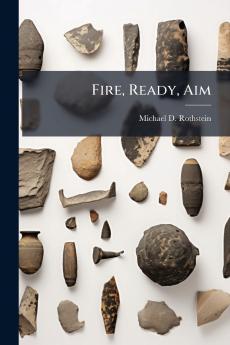
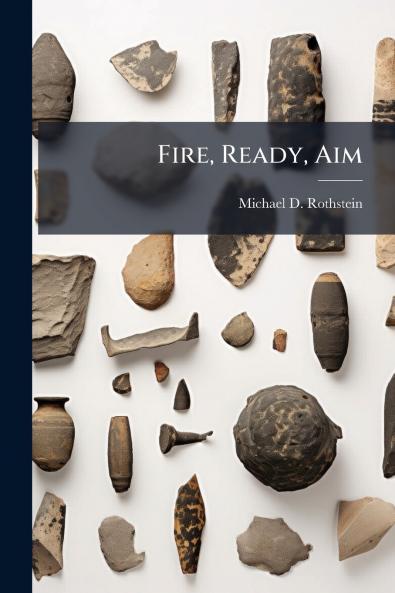
<p>Recent operations in Iraq and Afghanistan underscore the assertion that the US military needs to be able to interact effectively across cultural boundaries. Consequently there has been a significant effort to emphasize development of intercultural skills in Air Force (AF) professional military education (PME). This paper provides a vector check on recent efforts to energize intercultural curricula across the continuum of officer formal education. Specifically it examines intercultural curricula at the US Air Force Academy (USAFA) Reserve Officer Training Corps (ROTC) Officer Training School Air and Space Basic Course (ASBC) Squadron Officers School (SOS) Air Command and Staff College (ACSC) and Air War College (AWC) analyzing how each program teaches subjects related to building officers intercultural skills namely in the areas of cultural awareness regional understanding and foreign language competency. The author focused on core curricula rather than optional or elective offerings under the premise that core curricula best reflects institutional values and priorities in educating the mainstream officer. The methodology for the study was to examine each institutions plan for teaching culture region and language in Academic Year 2007 noting changes from previous years based on leaderships direction to emphasize intercultural skills. To gather data the author interviewed faculty and staff at all of the institutions reviewed applicable lesson plans and consulted experts in the field. Given the picture of what will be taught across the continuum of education the analysis endeavors to compare the anticipated product against the perceived expectations. In other words what will be taught in Academic Year 2007 and does it adequately address the perceived need?</p><p>This work has been selected by scholars as being culturally important and is part of the knowledge base of civilization as we know it. This work was reproduced from the original artifact and remains as true to the original work as possible. Therefore you will see the original copyright references library stamps (as most of these works have been housed in our most important libraries around the world) and other notations in the work.</p><p>This work is in the public domain in the United States of America and possibly other nations. Within the United States you may freely copy and distribute this work as no entity (individual or corporate) has a copyright on the body of the work.</p><p>As a reproduction of a historical artifact this work may contain missing or blurred pages poor pictures errant marks etc. Scholars believe and we concur that this work is important enough to be preserved reproduced and made generally available to the public. We appreciate your support of the preservation process and thank you for being an important part of keeping this knowledge alive and relevant.</p>
Piracy-free
Assured Quality
Secure Transactions
Delivery Options
Please enter pincode to check delivery time.
*COD & Shipping Charges may apply on certain items.
Review final details at checkout.
Details
ISBN 13
9781288257133
Publication Date
-09-11-2012
Pages
-58
Weight
-98 grams
Dimensions
-156x234x3.05 mm
