

English


Paperback
₹3118
₹3833
18.65% OFF
(All inclusive*)
Delivery Options
Please enter pincode to check delivery time.
*COD & Shipping Charges may apply on certain items.
Review final details at checkout.
Looking to place a bulk order? SUBMIT DETAILS
Delivery Options
Please enter pincode to check delivery time.
*COD & Shipping Charges may apply on certain items.
Review final details at checkout.
About The Book
Description
Author
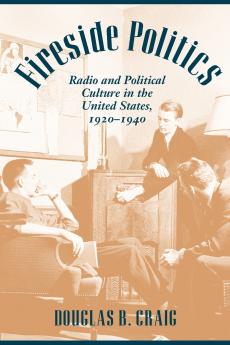
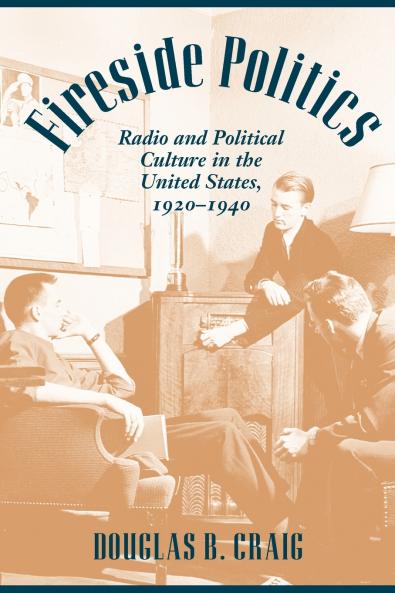
In Fireside Politics Douglas B. Craig provides the first detailed and complete examination of radio''s changing role in American political culture between 1920 and 1940-the medium''s golden age when it commanded huge national audiences without competition from television. Craig follows the evolution of radio into a commercialized networked and regulated industry and ultimately into an essential tool for winning political campaigns and shaping American identity in the interwar period. Finally he draws thoughtful comparisons of the American experience of radio broadcasting and political culture with those of Australia Britain and Canada.

Piracy-free

Assured Quality

Secure Transactions

Fast Delivery

Sustainably Printed
Details
ISBN 13
9780801883125
Publication Date
-23-06-2005
Pages
-388
Weight
-524 grams
Dimensions
-152x229x21.94 mm
