

English


Paperback
₹9284
₹10967
15.35% OFF
(All inclusive*)
Delivery Options
Please enter pincode to check delivery time.
*COD & Shipping Charges may apply on certain items.
Review final details at checkout.
Looking to place a bulk order? SUBMIT DETAILS
Delivery Options
Please enter pincode to check delivery time.
*COD & Shipping Charges may apply on certain items.
Review final details at checkout.
About The Book
Description
Author
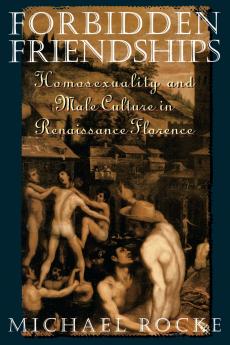
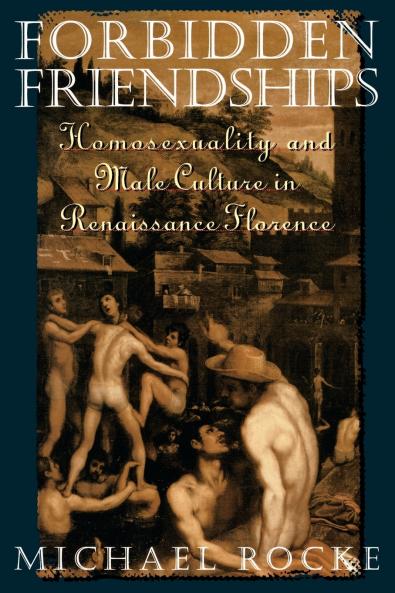
The men of Renaissance Florence were so renowned for sodomy that Florenzer in German meant sodomite. Indeed in the late fifteenth century as many as one in two Florentine men had come to the attention of the authorities for sodomy by the time they were thirty. In the seventy years from 1432 to 1502 some 17000 men--in a city of only 40000--were investigated for sodomy; 3000 were convicted and thousands more confessed to gain amnesty. Michael Rocke vividly depicts this vibrant sexual culture in a world where these same-sex acts were not the deviant transgressions of a small minority but an integral part of a normal masculine identity. In 1432 The Office of the Night was created specifically to police sodomy in Florence. Seventy years of denunciations interrogations and sentencings left an extraordinarily detailed record which Rocke uses to its fullest in this richly documented portrait. He describes a wide range of sexual experiences between males ranging from boys such as fourteen-year-old Morello di Taddeo who prostituted himself to fifty-seven men to the notorious Jacopo di Andrea a young bachelor implicated with forty adolescents over a seventeen-year period and convicted thirteen times; same-sex marriages like that of Michele di Bruno and Carlo di Berardo who were involved for several years and swore a binding oath to each other over an altar; and Bernardo Lorini a former Night Officer himself with a wife and seven children accused of sodomy at the age of sixty-five. (Mortified he sent his son Taddeo to confess for him and plead for a discreet resolution of his case.) Indeed nearly all Florentine males probably had some kind of same-sex experience as a part of their normal sexual life. Rocke uncovers a culture in which sexual roles were strictly defined by age with boys under eighteen the passive participants in sodomy youths in their twenties and older men the active participants and most men at the age of thirty marrying women their days of sexual frivolity with boys largely over. Such same sex activities were a normal phase in the transition to adulthood and only a few pursued them much further. Rather than precluding heterosexual experiences they were considered an extension of youthful and masculine lust and desire. As Niccolo Machiavelli quipped about a handsome man When young he lured husbands away from their wives and now he lures wives away from their husbands. Florentines generally accepted sodomy as a common misdemeanor to be punished with a fine rather than as a deadly sin and a transgression against nature. There was no word in the otherwise rich Florentine sexual lexicon for homosexual nor was there a distinctive and well-developed homosexual subculture. Rather sexual acts between men and boys were an integral feature of the dominant culture. Rocke roots this sexual activity in the broader context of Renaissance Florence with its social networks of families juvenile gangs neighbors patronage workshops and confraternities and its busy political life from the early years of the Republic through the period of Lorenzo de'' Medici Savonarola and the beginning of Medici princely rule. His richly detailed book paints a fascinating picture of a vibrant time and place and calls into question our modern conceptions of gender and sexual identity.

Piracy-free

Assured Quality

Secure Transactions

Fast Delivery

Sustainably Printed
Details
ISBN 13
9780195122923
Publication Date
-01-03-1998
Pages
-384
Weight
-519 grams
Dimensions
-152x229x21.71 mm
