

English


Hardback
₹14295
₹18832
24.09% OFF
(All inclusive*)
Delivery Options
Please enter pincode to check delivery time.
*COD & Shipping Charges may apply on certain items.
Review final details at checkout.
Looking to place a bulk order? SUBMIT DETAILS
Delivery Options
Please enter pincode to check delivery time.
*COD & Shipping Charges may apply on certain items.
Review final details at checkout.
About The Book
Description
Author
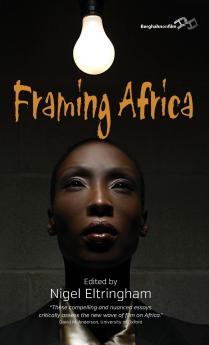
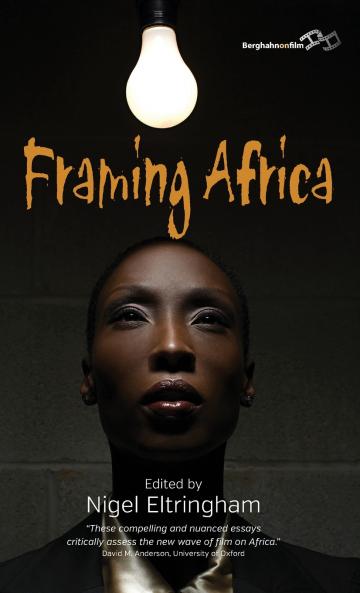
<p> The first decade of the 21st century has seen a proliferation of North American and European films that focus on African politics and society. While once the continent was the setting for narratives of heroic ascendancy over self (<em>The African Queen</em> 1951; <em>The Snows of Kilimanjaro</em> 1952) military odds (<em>Zulu</em> 1964; <em>Khartoum</em> 1966) and nature (<em>Mogambo</em> 1953; <em>Hatari!</em>1962; Born Free 1966; The Last Safari 1967) this new wave of films portrays a continent blighted by transnational corruption (<em>The Constant Gardener</em> 2005) genocide (<em>Hotel Rwanda</em> 2004; <em>Shooting Dogs</em> 2006) 'failed states' (<em>Black Hawk Down</em> 2001) illicit transnational commerce (<em>Blood Diamond</em> 2006) and the unfulfilled promises of decolonization (<em>The Last King of Scotland</em> 2006). Conversely where once Apartheid South Africa was a brutal foil for the romance of East Africa (<em>Cry Freedom</em> 1987; <em>A Dry White Season</em> 1989) South Africa now serves as a redeemed contrast to the rest of the continent (<em>Red Dust</em> 2004; <em>Invictus</em> 2009). Writing from the perspective of long-term engagement with the contexts in which the films are set anthropologists and historians reflect on these films and assess the contemporary place Africa holds in the North American and European cinematic imagination.</p>

Piracy-free

Assured Quality

Secure Transactions
Details
ISBN 13
9781782380733
Publication Date
-01-06-2013
Pages
-192
Weight
-309 grams
Dimensions
-140x216x12.7 mm
