

English


₹4934
₹6327
22.02% OFF
(All inclusive*)
Paperback
Delivery Options
Please enter pincode to check delivery time.
*COD & Shipping Charges may apply on certain items.
Review final details at checkout.
Looking to place a bulk order? SUBMIT DETAILS
Delivery Options
Please enter pincode to check delivery time.
*COD & Shipping Charges may apply on certain items.
Review final details at checkout.
About The Book
Description
Author
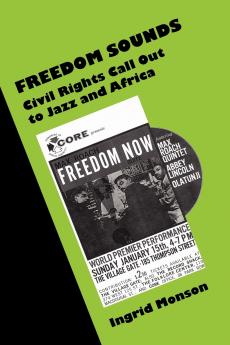
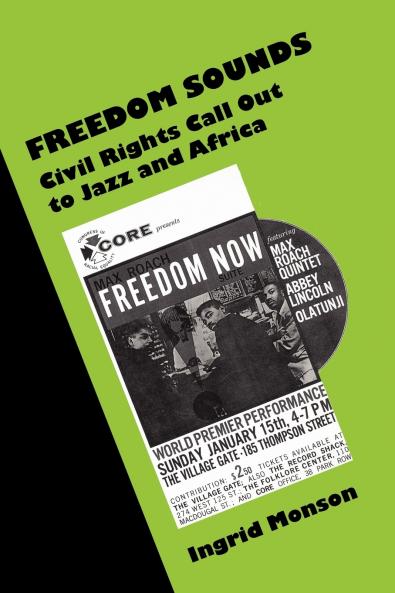
An insightful examination of the impact of the Civil Rights Movement and African Independence on jazz in the 1950s and 60s Freedom Sounds traces the complex relationships among music politics aesthetics and activism through the lens of the hot button racial and economic issues of the time. Ingrid Monson illustrates how the contentious and soul-searching debates in the Civil Rights African Independence and Black Power movements shaped aesthetic debates and exerted a moral pressure on musicians to take action. Throughout her arguments show how jazz musicians'' quest for self-determination as artists and human beings also led to fascinating and far reaching musical explorations and a lasting ethos of social critique and transcendence.Across a broad body of issues of cultural and political relevance Freedom Sounds considers the discursive structural and practical aspects of life in the jazz world in the 1950s and 1960s. In domestic politics Monson explores the desegregation of the American Federation of Musicians the politics of playing to segregated performance venues in the 1950s the participation of jazz musicians in benefit concerts and strategies of economic empowerment. Issues of transatlantic importance such as the effects of anti-colonialism and African nationalism on the politics and aesthetics of the music are also examined from Paul Robeson''s interest in Africa to the State Department jazz tours to the interaction of jazz musicians such Art Blakey and Randy Weston with African and African diasporic aesthetics.Monson deftly explores musicians'' aesthetic agency in synthesizing influential forms of musical expression from a multiplicity of stylistic and cultural influences--African American music popular song classical music African diasporic aesthetics and other world musics--through examples from cool jazz hard bop modal jazz and the avant-garde. By considering the differences between aesthetic and socio-economic mobility she presents a fresh interpretation of debates over cultural ownership racism reverse racism and authenticity.Freedom Sounds will be avidly read by students and academics in musicology ethnomusicology anthropology popular music African American Studies and African diasporic studies as well as fans of jazz hip hop and African American music.

Piracy-free

Assured Quality

Secure Transactions

Fast Delivery

Sustainably Printed
Details
ISBN 13
9780199757091
Publication Date
-06-08-2010
Pages
-418
Weight
-563 grams
Dimensions
-152x229x23.62 mm
