*COD & Shipping Charges may apply on certain items.
Review final details at checkout.
About The Book
Description
Author(s)
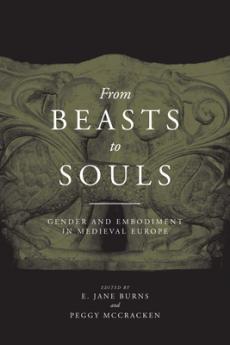
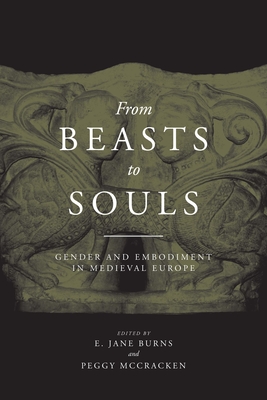
<p>The Middle Ages provides a particularly rich trove of hybrid creatures semi-human beings and composite bodies: we need only consider manuscript pages and stone capitals in Romanesque churches to picture the myriad figures incorporating both human and animal elements that allow movement between and even confusion of components of each realm.</p> <p><i>From Beasts to Souls: Gender and Embodiment in Medieval Europe</i> raises the issues of species and gender in tandem asking readers to consider more fully what happens to gender in medieval representations of nonhuman embodiment. The contributors reflect on the gender of stones and the soul of worms and dragons showing that medieval cultural artifacts whether literary historical or visual do not limit questions of gender to predictable forms of human or semi-human embodiment. By expanding what counts as the body in medieval cultural studies the essays shift our understanding of gendered embodiment and articulate new perspectives on its range functions and effects on a broader theoretical spectrum. Drawing on depictions of differently bodied creatures in the Middle Ages they dislodge and reconfigure long-standing views of the body as always human and the human body as merely male and female. The essays address a number of cultural contexts and academic disciplines: from French and English literature to objects of Germanic and Netherlandish material culture from theological debates to literary concerns with the soul. They engage with issues of gender and embodiment located in stones skeletons and snake tails swan-knights and werewolves along with a host of other unexpected places in a thought-provoking addition to somatic cultural history.</p> <p><i>From Beasts to Souls: Gender and Embodiment in Medieval Europe</i> is a cogent well-conceived addition to the dynamic field of cultural studies of the body. The essays are extremely strong with contributions that are both insightful and provocative.-Suzanne Conklin Akbari University of Toronto</p>