




This Book is Out of Stock!
English



Hardback
₹5502
₹6375
13.69% OFF
(All inclusive*)
Delivery Options
*COD & Shipping Charges may apply on certain items.
Review final details at checkout.
Looking to place a bulk order? SUBMIT DETAILS

Piracy-free

Assured Quality

Secure Transactions
About The Book
Description
Author
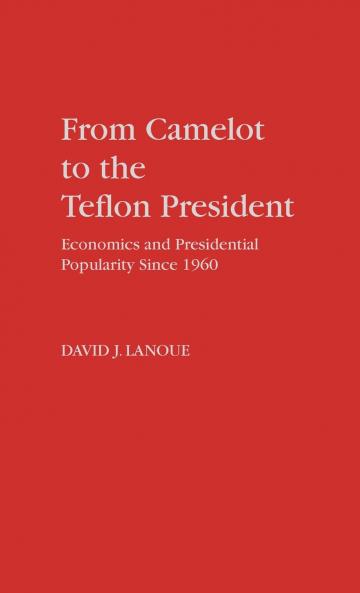
This work is a detailed description of the use of Box Jenkins time-series analysis techniques--including autoregressive-integrated moving average (ARIMA) modeling--to test two hypotheses relating economic conditions to presidential popularity. . . . Lanoue''s model shows the two hypotheses to be interrelated. Rising inflation rates have a negative effect on presidential popularity; falling inflation rates have no impact. These negative impacts are present only for Democratic administrations. Recession--as measured by declining real disposable income--leads to a decline in presidential popularity. Recovery from recession leads to a return in popularity. . . . Despite the clarity of the writing and the separation of the methodological details from most of the substantive discussions this work is most appropriate for advanced undergraduates graduate and research collections. Annals of the American AcademyPresidential popularity has been much discussed in recent years. This analysis deals with questions raised by the differing patterns of public approval experienced by the last six U.S. presidents starting with John Kennedy''s administration (Camelot) and concluding with a look at Ronald Reagan who has often been termed the Teflon President. Lanoue begins with an overview of economics and politics as they relate to presidential popularity. He presents the research design and discusses the methodology involved expecially the use of the Box-Jenkins approach. The results of his analysis are presented in two sections. The first Inflation and Popularity presents a model of presidential popularity as it relates to inflation. Specifically it argues that voters evaluate the economic performances of different parties'' presidents in different ways. The second section Income and Popularity takes an initial look at symmetry and income and then presents two approaches to the analysis of asymmetry. This Asymmetric Hypothesis states that the electorate punishes the president and his party for hard times but fails to reward them when economic conditions improve. The concluding chapter analyzes whether asymmetry is psychological or situational and considers partisan effects in a chapter subtitled Bad News for Democrats. A final section on macroeconomic policy deals with maximizing popularity through changes in economic priorities.
Piracy-free
Assured Quality
Secure Transactions
*COD & Shipping Charges may apply on certain items.
Review final details at checkout.
₹5502
₹6375
13% OFF
Hardback
Out Of Stock
All inclusive*
Details
ISBN 13
9780313263934
Publication Date
-20-10-1988
Pages
-140
Weight
-250 grams
Dimensions
-140x216x11.11 mm
