

English


Paperback
₹6403
(All inclusive*)
Delivery Options
Please enter pincode to check delivery time.
*COD & Shipping Charges may apply on certain items.
Review final details at checkout.
Looking to place a bulk order? SUBMIT DETAILS
Delivery Options
Please enter pincode to check delivery time.
*COD & Shipping Charges may apply on certain items.
Review final details at checkout.
About The Book
Description
Author
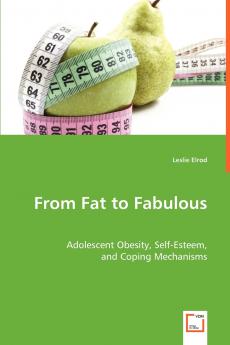
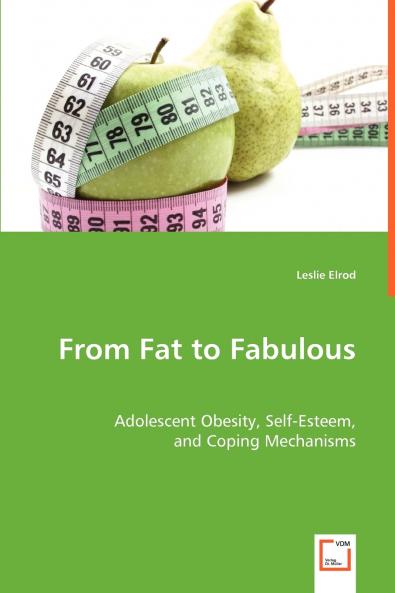
Using the National Longitudinal Study for Adolescent Health (AddHealth) this study investigated six hypotheses assessing the relationship between adolescent body mass and self-esteem. Specifically this study sought to identify whether elective coping mechanisms including academic performance extracurricular participation and voluntarism mediated the relationship between body mass and self-esteem. A variety of statistical methods (including regression and path analyses) revealed that the relationship between adolescent body mass and self-esteem was suppressed by intervening variables including negative body image and academic performance. When controlling for academic performance and body image adolescents with higher body mass exhibit higher self-esteem than those adolescents with lower body mass at the stringent p> .001 level. The implication of the finding of higher body mass being related to higher self-esteem when controlling for negative body image and academic performance is enough to give pause. Perception of acceptance of those of varying body sizes may protect a growing group of adolescents from diminished self-esteem.

Piracy-free

Assured Quality

Secure Transactions

Fast Delivery

Sustainably Printed
Details
ISBN 13
9783639032994
Publication Date
-13-06-2008
Pages
-132
Weight
-190 grams
Dimensions
-150x220x7.38 mm
