

English


Paperback
₹4042
₹4871
17.02% OFF
(All inclusive*)
Delivery Options
Please enter pincode to check delivery time.
*COD & Shipping Charges may apply on certain items.
Review final details at checkout.
Looking to place a bulk order? SUBMIT DETAILS
Delivery Options
Please enter pincode to check delivery time.
*COD & Shipping Charges may apply on certain items.
Review final details at checkout.
About The Book
Description
Author
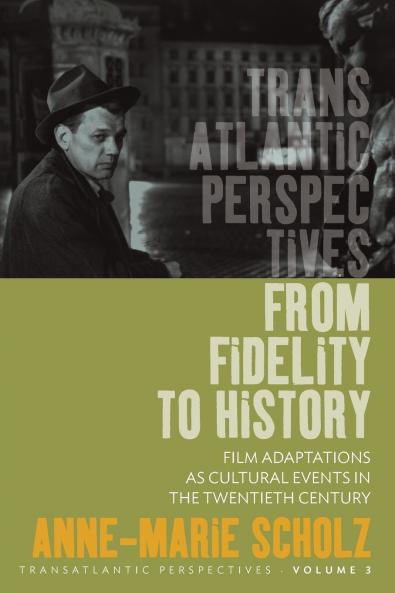
<p> Scholarly approaches to the relationship between literature and film ranging from the traditional focus upon fidelity to more recent issues of intertextuality all contain a significant blind spot: a lack of theoretical and methodological attention to adaptation as an historical and transnational phenomenon. This book argues for a historically informed approach to American popular culture that reconfigures the classically defined adaptation phenomenon as a form of transnational reception. Focusing on several case studies- including the films <em>Sense and Sensibility</em> (1995) and <em>The Portrait of a Lady</em> (1997) and the classics <em>The Third Man</em> (1949) and <em>The Bridge on the River Kwai</em> (1957)-the author demonstrates the ways adapted literary works function as social and cultural events in history and how these become important sites of cultural negotiation and struggle.</p>

Piracy-free

Assured Quality

Secure Transactions

Fast Delivery

Sustainably Printed
Details
ISBN 13
9781785330346
Publication Date
-01-11-2015
Pages
-240
Weight
-331 grams
Dimensions
-152x229x12.83 mm
