



English



Paperback
₹5313
₹6141
13.48% OFF
(All inclusive*)
Delivery Options
Please enter pincode to check delivery time.
*COD & Shipping Charges may apply on certain items.
Review final details at checkout.
Looking to place a bulk order? SUBMIT DETAILS
Delivery Options
Please enter pincode to check delivery time.
*COD & Shipping Charges may apply on certain items.
Review final details at checkout.
About The Book
Description
Author(s)
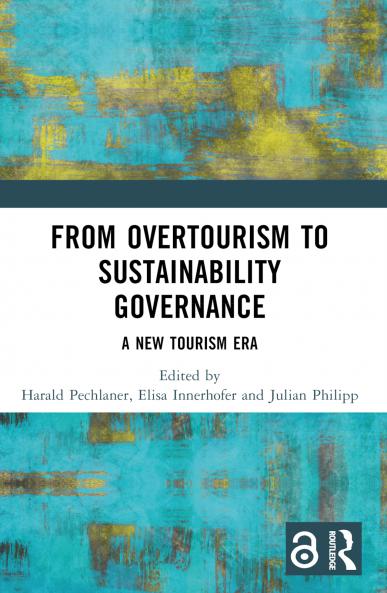
<p>Insightful and international in scope this significant volume explores the transition from overtourism to sustainability governance and elaborates perspectives for developing resilient destinations.</p><p>The book is split into three parts and comprises interdisciplinary contributions from renowned authors and scholars in the field with each part including case studies to illustrate real-world applications of the topics and issues discussed. Part I provides an overview of current academic discussion on overtourism presents theoretical concepts and illustrates the impact of the COVID-19 pandemic as well as the development from overtourism to no-tourism. Part II discusses approaches towards a new sustainability through the lens of current research and future trends including a possible new understanding of tourism in a post-pandemic world. Part III presents strategies to deal with overtourism including management strategies and governance theories. Equipped with a wide range of examples and insights from across the globe the book is intended to facilitate the ongoing journey towards a more sustainable tourism industry that is increasingly resilient and less vulnerable to crises.</p><p>This will be of pivotal interest to academics researchers and practitioners in the fields of tourism over- and mass-tourism as well as sustainability governance.</p><p><i>The Open Access version of this book available at http://www.taylorfrancis.com has been made available under a Creative Commons [Attribution-Non Commercial-No Derivatives (CC-BY-NC-ND)] 4.0 license.</i></p>

Piracy-free

Assured Quality

Secure Transactions

Fast Delivery

Sustainably Printed
Details
ISBN 13
9781032431376
Publication Date
-27-10-2025
Pages
-296
Weight
-424 grams
Dimensions
-155.96x233.93x15.81 mm
