

English


Paperback
₹1744
₹1967
11.34% OFF
(All inclusive*)
Delivery Options
Please enter pincode to check delivery time.
*COD & Shipping Charges may apply on certain items.
Review final details at checkout.
Looking to place a bulk order? SUBMIT DETAILS
Delivery Options
Please enter pincode to check delivery time.
*COD & Shipping Charges may apply on certain items.
Review final details at checkout.
About The Book
Description
Author
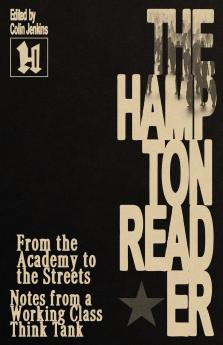
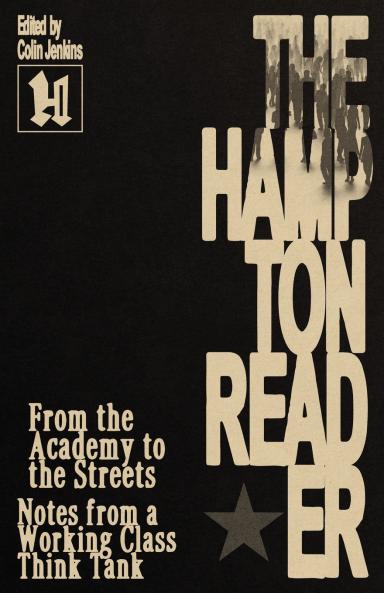
<p>Since its founding in 2013 the Hampton Institute has remained at the forefront of incubating developing and advancing revolutionary theory by and for the people's movements. The platform has not only stood the test of time but continually expanded its reach with outlets from <em>Monthly Review</em> and <em>Truthout</em> to <em>Black Agenda Report</em> and <em>Z</em> Magazine routinely republishing its analysis; as well as the United Nations General Assembly inviting the Institute to contribute a report on the renewed rise of fascist and racist forces in the U.S. Hampton Institute was one of the first contemporary outlets for organic intellectuals serving as a conduit to move revolutionary theory out of the elite universities and back into the working and oppressed classes.</p><p>The fourth volume from the Hampton Institute aptly titled <em>From the Academy to the Streets</em> represents this impressive history while forging new paths for liberation today. Penned by revolutionary organizers educators artists and other cultural workers the majority of the book's essays appear here for the first time. Covering a wide terrain of topics-from anti-ableist photography multinational unity and the class struggle of trans youth to the united front language and architectural utopias-from a variety of perspectives each chapter speaks to everyday people without sacrificing any intellectual depth or novelty. The book is evidence that over a decade later the collective of organic intellectuals fostered by Hampton Institute have definitively established a pole of intellectual thought in our workplaces communities classrooms and streets continuing to broaden the base for the practical thinking necessary for the revolutionary project in 2024.</p><p></p><p class=ql-align-justify>Along with other progressive and revolutionary organizers and activists I've been waiting for the latest book from the Hampton Institute and it was well worth the wait. In these pages we see the Hampton Institute at its best: a diverse range of organizers educators artists and other organics address a variety of pressing topics (from pedagogy and ableism to art and strategies and tactics) through unique forms (including photographic essays polemics interventions on-the-ground analysis and general theoretical articles). This book has something for everyone at least for everyone who wants to understand and change the world-together.</p><p class=ql-align-justify>-<strong>Curry Malott author of <em>A History of Education for the Many: From Slavery and Colonization to the to the Decline of U.S. Imperialism</em></strong></p><p class=ql-align-justify>The Hampton Reader invites readers to explore the multifaceted landscape of social transformation. With chapters that range from lessons of Walter Rodney to the dissection of capitalist language to the lived experiences of marginalized communities it's a compendium of critical thought that refuses to shy away from the tough questions.</p><p class=ql-align-justify>-<strong>Henry Hakamäki and Adnan Husain hosts of <em>Guerrilla History</em></strong></p>

Piracy-free

Assured Quality

Secure Transactions

Fast Delivery

Sustainably Printed
Details
ISBN 13
9798330270354
Publication Date
-15-01-2025
Pages
-208
Weight
-251 grams
Dimensions
-140x216x12.09 mm
