

English


Paperback
₹1921
₹2475
22.38% OFF
(All inclusive*)
Delivery Options
Please enter pincode to check delivery time.
*COD & Shipping Charges may apply on certain items.
Review final details at checkout.
Looking to place a bulk order? SUBMIT DETAILS
Delivery Options
Please enter pincode to check delivery time.
*COD & Shipping Charges may apply on certain items.
Review final details at checkout.
About The Book
Description
Author
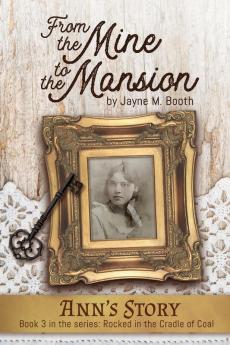
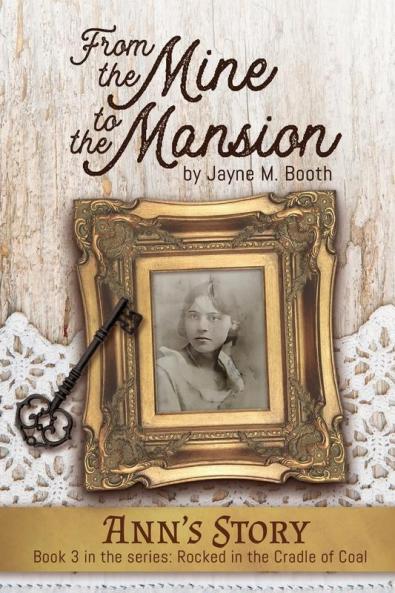
<p><span style=background-color: rgba(255 255 255 1); color: rgba(15 17 17 1)>At thirteen as the oldest of five children Ann feels an obligation to contribute to her family's income. She realizes there is only so much her widowed mother can do alone to support their family so Ann bravely steps into the role of an adult working full-time in service to a wealthy family uptown. In 1913 in her Pennsylvania coal town quitting school early to help support the family is a common rite of passage.</span></p><p></p><p><span style=background-color: rgba(255 255 255 1); color: rgba(15 17 17 1)>Ann has grown up poor so she knows what it means to sacrifice her own desires for others. Often girls of the early 20th century took whatever menial work they could find to supplement their family's income. They cooked cleaned did laundry or took care of other people's children. Factories and mills snapped others up as cheap child labor because these girls were smaller and quicker than adults and didn't need to be paid as much. In the early 20th century women had very few rights and female children had none.</span></p><p></p><p><span style=background-color: rgba(255 255 255 1); color: rgba(15 17 17 1)>But in the mansion Ann meets the class differences and modern conveniences that separate her family's shabby neighborhood of mine-owned company houses and the luxuries her wealthy employers take for granted. Ann and several other female servants in the mansion share all the trials and adventures of teenage life and love as they adjust to their new big girl roles. At the same time they are experiencing the culture shock of living between rich versus poor and child versus adult. In the process Ann decides that she never wants to be so poor again. In the big house on the hill Ann and her new friends find help and support from unexpected sources. They discover that people everywhere are just people and we all must help each other.</span></p>

Piracy-free

Assured Quality

Secure Transactions

Fast Delivery

Sustainably Printed
Details
ISBN 13
9781737586470
Publication Date
-30-10-2024
Pages
-198
Weight
-276 grams
Dimensions
-152x229x10.66 mm
