



This Book is Out of Stock!
English


Hardback
₹5372
(All inclusive*)
Delivery Options
*COD & Shipping Charges may apply on certain items.
Review final details at checkout.
Looking to place a bulk order? SUBMIT DETAILS
*COD & Shipping Charges may apply on certain items.
Review final details at checkout.
₹5372
Out Of Stock
All inclusive*
About The Book
Description
Author
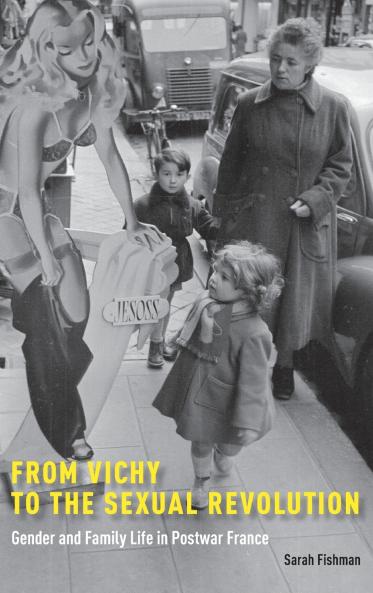
At the end of World War II France discarded not only the Vichy regime but also the austere ideology behind it. Under the veneer of a conservative vision of family characterized by the traditional structure of a male breadwinner and female homemaker the conception of love marriage and parenting began changing in the years immediately after the Liberation. In the 1950s France experienced rapid economic development alongside a baby boom changing from a rural country worn out by economic depression war and occupation into an urban industrial and affluent nation. Meanwhile the works of Sigmund Freud Simone de Beauvoir and Alfred Kinsey began to influence popular culture and shape how people thought about their partners their children and themselves. Little more than twenty years after Vichy was abolished France had already entered the early phases of a dramatic sexual revolution laying the groundwork for the turmoil of May 1968. <p/><em>From Vichy to the Sexual Revolution</em> explores the factors that led to such radical changes in French notions of gender roles family structures and sexuality. Sarah Fishman follows French women's path toward emancipation from winning suffrage in 1945 to the social movements of 1960s painting a broad view of shifting habits and ideas about love courtship sex marriage parenting childhood and adolescence. She surveys a wide range of sources including juvenile court cases inexpensive guidebooks on marriage and childbirth and popular magazines--<em>Marie Claire</em> and <em>Elle</em> most notably where iconic columnists such as Marcelle Auclair and Marcelle S&#65533;gal answered readers' letters and dispensed intimate and inspirational advice to millions of women. <p/>Fishman deftly links economic political and social transformations showing how the vision of family shifted away from a rigid structure dominated by the authority of the father toward a more dynamic group characterized by engaged relationships between parents and children. A sweeping social history of postwar France this book illuminates the extraordinary impact that national policies have on ordinary lives.<br>

Piracy-free

Assured Quality

Secure Transactions

Fast Delivery

Sustainably Printed
Details
ISBN 13
9780190248628
Publication Date
-12-01-2017
Pages
-290
Weight
-508 grams
Dimensions
-156x234x17.46 mm
