

English


₹4067
(All inclusive*)
Paperback
Delivery Options
Please enter pincode to check delivery time.
*COD & Shipping Charges may apply on certain items.
Review final details at checkout.
Looking to place a bulk order? SUBMIT DETAILS
Delivery Options
Please enter pincode to check delivery time.
*COD & Shipping Charges may apply on certain items.
Review final details at checkout.
About The Book
Description
Author
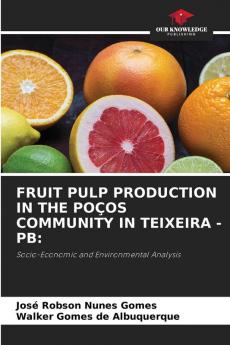
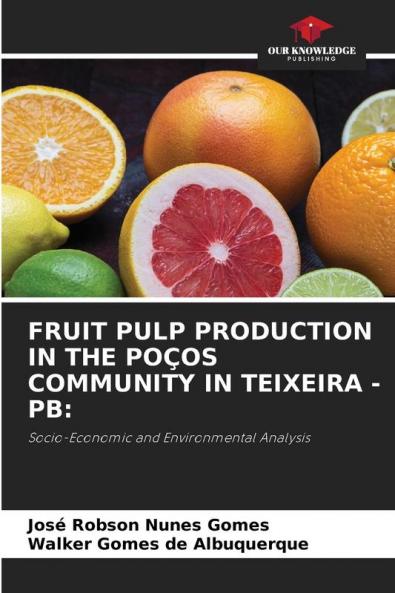
The aim of this work was to recognize the economic importance of the fruit pulp processing unit for the beneficiaries of the Poços community and in addition to establishing criteria for evaluating the income of those associated with the activity studied it will also promote an analysis of the improvements that have led to environmental preservation in line with international standards as well as identifying and seeking to understand determining factors for improving production and raising income in the community possibilities for positive changes resulting from the installation of the processing unit. The theories of Solidarity Economy Cooperativism and its trends are used as well as the conceptualization of the semi-arid territory of Northeast Brazil. The methodology of this study adopted an inductive and explanatory approach using a bibliographic survey. It took place in a community that already has a fruit pulp processing unit set up in an associative system. Data was collected using a pre-prepared questionnaire together with interviews with the association's representatives and access was also gained to the association's financial and accounting data.

Piracy-free

Assured Quality

Secure Transactions

Fast Delivery

Sustainably Printed
Details
ISBN 13
9786207974320
Publication Date
-22-08-2024
Pages
-72
Weight
-106 grams
Dimensions
-152x229x4.38 mm
