

English


Paperback
₹7650
₹8053
5% OFF
(All inclusive*)
Delivery Options
Please enter pincode to check delivery time.
*COD & Shipping Charges may apply on certain items.
Review final details at checkout.
Looking to place a bulk order? SUBMIT DETAILS

Piracy-free

Assured Quality

Secure Transactions
About The Book
Description
Author
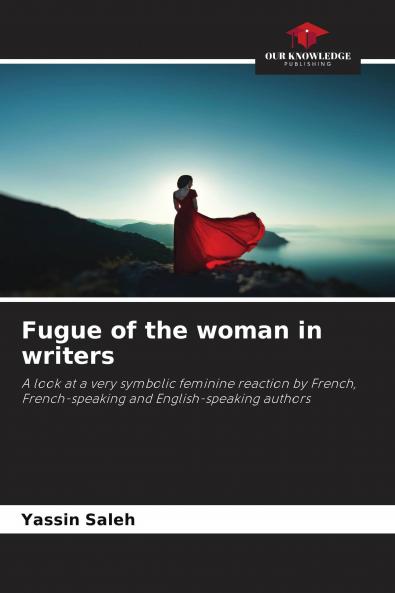
Although the female elopement is staged in many literary narratives it has not been the object of a deep critical analysis. Emile Zola and Jean-Marie Gustave Le Clézio address the question of the female elopement respectively in La fortune des Rougon and Poisson d'or. The former situates the journey of the female character in France and the latter traces it between Morocco and the United States passing through France. Nuruddin Farah places his story of running away to Somalia in Born of Adam's Coast while in Desert Flower the novel by Warié who is from the same country as him tells of his running away to the United Kingdom. Two short stories also catch our attention Eveline and A Woman and a Half written by James Joyce and Abdourahman Wabéri respectively. When comparing these stories what strikes the reader is first of all their great diversity. Nevertheless there is a common point in this heteroclism. It is the fact of putting in scene a female character in fugue. Through a transversal analysis of the painting of the woman and the act of running away we try to answer the following question: What does the staging of the female elopement represent?
Piracy-free
Assured Quality
Secure Transactions
Delivery Options
Please enter pincode to check delivery time.
*COD & Shipping Charges may apply on certain items.
Review final details at checkout.
Details
ISBN 13
9786205901083
Publication Date
-10-05-2023
Pages
-196
Weight
-273 grams
Dimensions
-150x220x10.67 mm
