


This Book is Out of Stock!
English





Paperback
₹6471
₹8337
22.38% OFF
(All inclusive*)
Delivery Options
*COD & Shipping Charges may apply on certain items.
Review final details at checkout.
Looking to place a bulk order? SUBMIT DETAILS

Piracy-free

Assured Quality

Secure Transactions
About The Book
Description
Author
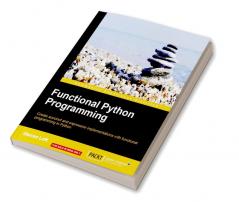
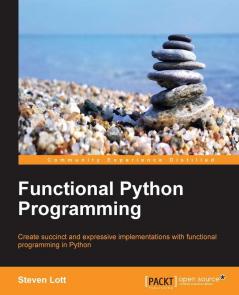
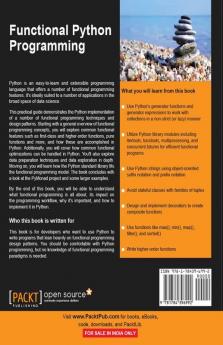
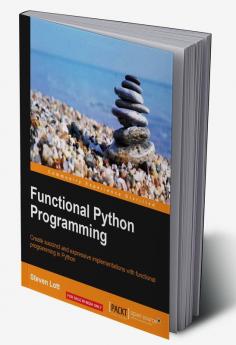
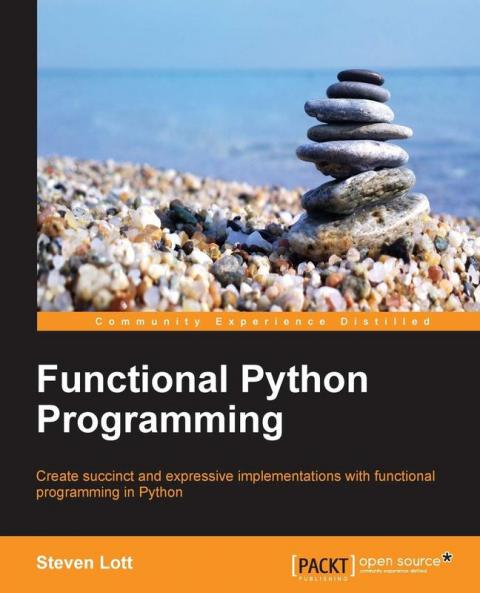
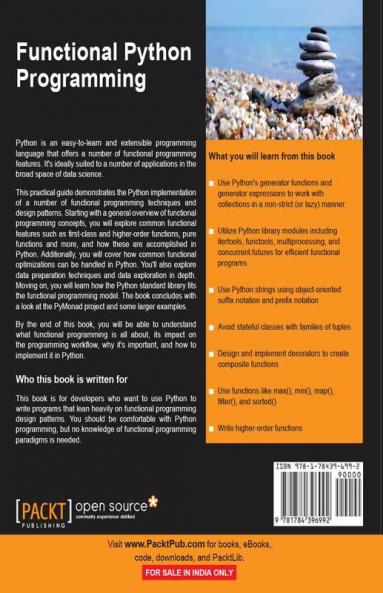
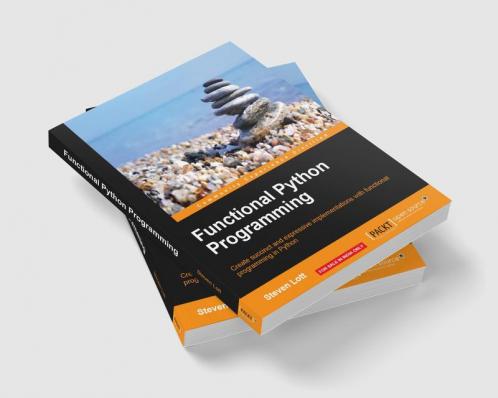
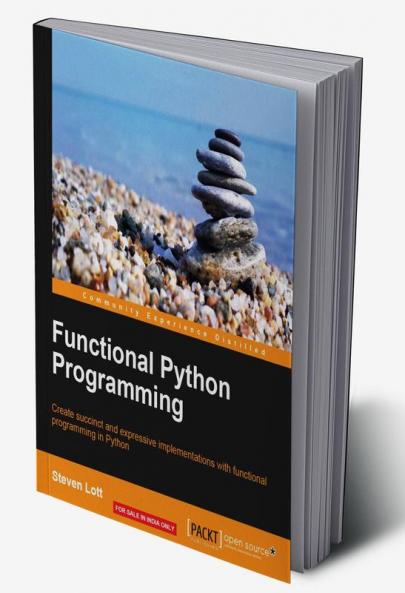
<p><strong>Create succinct and expressive implementations with functional programming in Python</strong></p><p><br></p><p><strong>Key Features:</strong></p><ul><li>Implement common functional programming design patterns and techniques in Python</li><li>Learn how to choose between imperative and functional approaches based on expressiveness clarity and performance</li><li>Apply functional Python to common Exploratory Data Analysis (EDA) programming problems</li></ul><p><br></p><p><strong>Book Description:</strong></p><p>Python is an easy-to-learn and extensible programming language that offers a number of functional programming features. It's ideally suited to a number of applications in the broad space of data science.</p><p><br></p><p>This practical guide demonstrates the Python implementation of a number of functional programming techniques and design patterns. Starting with a general overview of functional programming concepts you will explore common functional features such as first-class and higher-order functions pure functions and more and how these are accomplished in Python. Additionally you will cover how common functional optimizations can be handled in Python. You'll also explore data preparation techniques and data exploration in depth. Moving on you will learn how the Python standard library fits the functional programming model. The book concludes with a look at the PyMonad project and some larger examples.</p><p><br></p><p>By the end of this book you will be able to understand what functional programming is all about its impact on the programming workflow why it's important and how to implement it in Python.</p><p><br></p><p><strong>What You Will Learn:</strong></p><ul><li>Use Python's generator functions and generator expressions to work with collections in a non-strict (or lazy) manner</li><li>Utilize Python library modules including itertools functools multiprocessing and concurrent.futures for efficient functional programs</li><li>Use Python strings using object-oriented suffix notation and prefix notation</li><li>Avoid stateful classes with families of tuples</li><li>Design and implement decorators to create composite functions</li><li>Use functions like max() min() map() filter() and sorted()</li><li>Write higher-order functions</li></ul><p><br></p><p><strong>Who this book is for:</strong></p>
Piracy-free
Assured Quality
Secure Transactions
*COD & Shipping Charges may apply on certain items.
Review final details at checkout.
₹6471
₹8337
22% OFF
Paperback
Out Of Stock
All inclusive*
Details
ISBN 13
9781784396992
Publication Date
-31-01-2015
Pages
-360
Weight
-629 grams
Dimensions
-191x235x18.98 mm
