


This Book is Out of Stock!
English


Hardback
₹17806
(All inclusive*)
Delivery Options
*COD & Shipping Charges may apply on certain items.
Review final details at checkout.
Looking to place a bulk order? SUBMIT DETAILS
*COD & Shipping Charges may apply on certain items.
Review final details at checkout.
₹17806
Out Of Stock
All inclusive*
About The Book
Description
Author
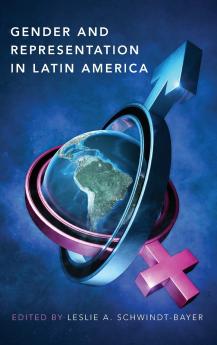
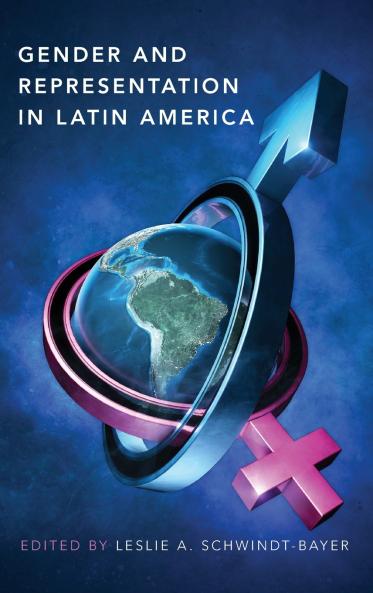
Just as Latin American countries began to transition to democracy in the late 1970s and early 1980s the region also saw gains in social cultural and economic gender equality. In accordance with modernization theories women in the region have also made significant inroads into elected office. However these gains vary a great deal between countries in Latin America. They also vary significantly at different levels of government even within the same country. Inside government arenas representation is highly gendered with rules and norms that advantage men and disadvantage women limiting women''s access to full political power. While one might expect these variations to map onto socioeconomic and cultural conditions within each country they don''t correlate. This book makes for the first time a comprehensive comparison of gender and representation across the region -- in seven countries -- and at five different levels: the presidency cabinets national legislatures political parties and subnational governments. Overall it argues that gender inequality in political representation in Latin America is rooted in democratic institutions and the democratic challenges and political crises facing the region. Institutions and political context not only influence the number of women and men elected to office but also what they do once in office the degree of power to which they gain access and how their presence and actions influence democracy and society more broadly. Drawing on the expertise of scholars of women gender and political institutions this book is the most comprehensive analysis of women''s representation in Latin America to date and an important resource for research on women''s representation worldwide. The causes consequences and challenges to women''s representation in Latin America are not unique to that region and the book uses Latin American patterns to draw broad conclusions about gendered representation in other areas of the world.

Piracy-free

Assured Quality

Secure Transactions

Fast Delivery

Sustainably Printed
Details
ISBN 13
9780190851224
Publication Date
-01-08-2014
Pages
-350
Weight
-590 grams
Dimensions
-156x234x20.64 mm
