

English


Hardback
₹13439
₹17315
22.39% OFF
(All inclusive*)
Delivery Options
Please enter pincode to check delivery time.
*COD & Shipping Charges may apply on certain items.
Review final details at checkout.
Looking to place a bulk order? SUBMIT DETAILS
Delivery Options
Please enter pincode to check delivery time.
*COD & Shipping Charges may apply on certain items.
Review final details at checkout.
About The Book
Description
Author
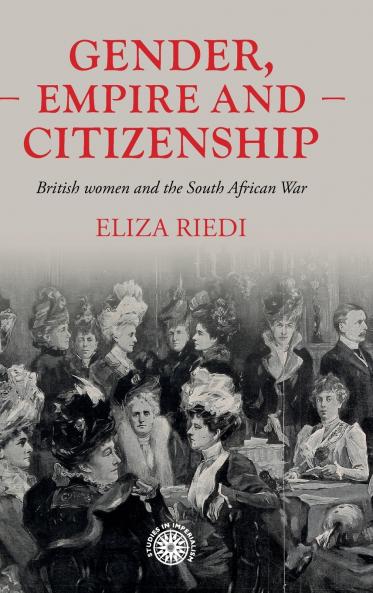
When the South African War broke out in 1899 British middle-class women already well-integrated into party politics and public life were quick to respond. Women across a wide political spectrum actively engaged in public debates over the war through meetings speeches petitions electioneering and the press. From the start pacifist women made important contributions to the anti-war movement later providing vital backing for Emily Hobhouse's campaign to reform the concentration camps. Women imperialists supported the war effort through military philanthropy and imperial propaganda. Under Millicent Garrett Fawcett the government-appointed Ladies' Committee transformed the camps while hundreds of British women were recruited as camps teachers and nurses. Fundamentally shaped by ideologies of gender and race women's responses to this imperial war continued to influence women's public action and discourses of citizenship into the First World War.

Piracy-free

Assured Quality

Secure Transactions

Fast Delivery

Sustainably Printed
Details
ISBN 13
9780719079450
Publication Date
-11-11-2025
Pages
-280
Weight
-494 grams
Dimensions
-156x234x17.46 mm
