

English


₹14439
₹18515
22.01% OFF
(All inclusive*)
Hardback
Delivery Options
Please enter pincode to check delivery time.
*COD & Shipping Charges may apply on certain items.
Review final details at checkout.
Looking to place a bulk order? SUBMIT DETAILS
Delivery Options
Please enter pincode to check delivery time.
*COD & Shipping Charges may apply on certain items.
Review final details at checkout.
About The Book
Description
Author
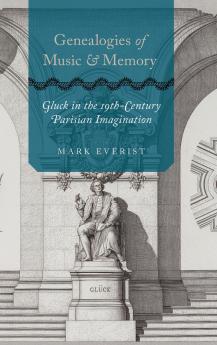
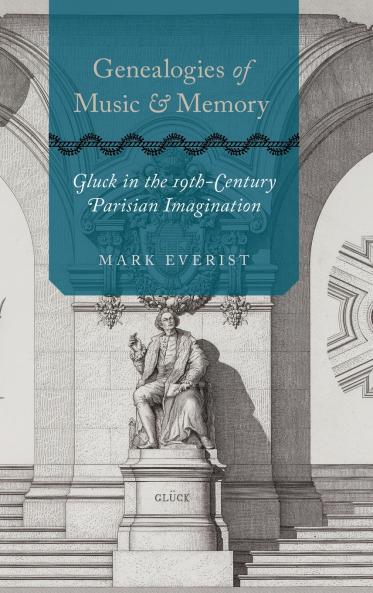
The history of music is most often written as a sequence of composers and works. But a richer understanding of the music of the past may be obtained by also considering the afterlives of a composer's works. <em>Genealogies of Music and Memory</em> asks how the stage works of Christoph Willibald Gluck (1714-87) were cultivated in nineteenth-century Paris and concludes that although the composer was not represented formally on the stage until 1859 his music was known from a wide range of musical and literary environments. Received opinion has Hector Berlioz as the sole guardian of the Gluckian flame from the 1820s onwards and responsible -- together with the soprano Pauline Viardot -- for the 'revival' of the composer's Orfeo in 1859. The picture is much clarified by looking at the concert performances of Gluck during the first two thirds of the nineteenth century and the ways in which they were received and the literary discourses they engendered. Coupled to questions of music publication pedagogy and the institutional status of the composer such a study reveals a wide range of individual agents active in the promotion of Gluck's music for the Parisian stage. The 'revival' of Orfeo is contextualised among other attempts at reviving Gluck's works in the 1860s and the role of Berlioz Viardot and a host of others re-examined.<br>

Piracy-free

Assured Quality

Secure Transactions

Fast Delivery

Sustainably Printed
Details
ISBN 13
9780197546000
Publication Date
-12-02-2021
Pages
-228
Weight
-423 grams
Dimensions
-156x234x14.29 mm
