


English



Hardback
₹14845
₹18368
19.18% OFF
(All inclusive*)
Delivery Options
Please enter pincode to check delivery time.
*COD & Shipping Charges may apply on certain items.
Review final details at checkout.
Looking to place a bulk order? SUBMIT DETAILS
Delivery Options
Please enter pincode to check delivery time.
*COD & Shipping Charges may apply on certain items.
Review final details at checkout.
About The Book
Description
Author
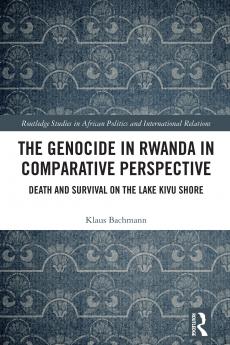
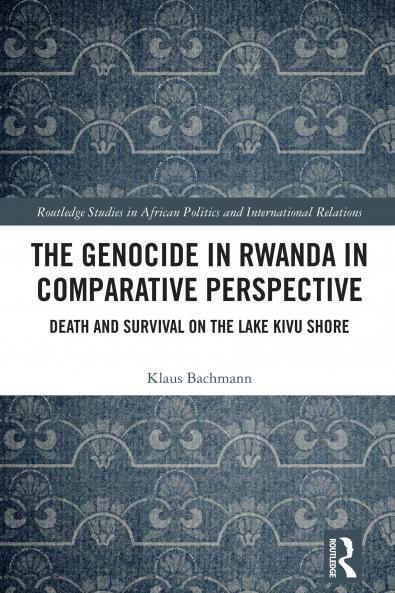
<p>This book combines social science concepts history and transitional justice studies to examine the social dynamics specific actors and ideologies involved in the genocide in Rwanda and examines what makes this genocide a unique case of mass violence and political transition compared with other cases of mass violence.</p><p>It analyzes the conditions necessary for people to engage in intimate violence against their neighbors and family members asking what inclines “ordinary men” (and women) to join gangs of killers and what role policies authorities ideologies emotions negotiations and material incentives play in the mobilization for mass atrocities. Comparing genocidal events elsewhere in time and location the book provides an up-to-date overview of the 1994 events in Rwanda and offers new and surprising insights from previously inaccessible archival records explaining how to facilitate foreign intervention in the future.</p><p>This book is of key interest to scholars and students of African politics genocide studies and more broadly to security studies conflicts and conflict-resolution studies decolonization studies and contemporary and comparative history.</p>

Piracy-free

Assured Quality

Secure Transactions
Details
ISBN 13
9781032863276
Publication Date
-31-03-2025
Pages
-278
Weight
-491 grams
Dimensions
-155.96x233.93x16.28 mm
