


English



₹955
₹1395
31.54% OFF
(All inclusive*)
Hardback
Delivery Options
Please enter pincode to check delivery time.
*COD & Shipping Charges may apply on certain items.
Review final details at checkout.
Looking to place a bulk order? SUBMIT DETAILS
Delivery Options
Please enter pincode to check delivery time.
*COD & Shipping Charges may apply on certain items.
Review final details at checkout.
About The Book
Description
Author(s)
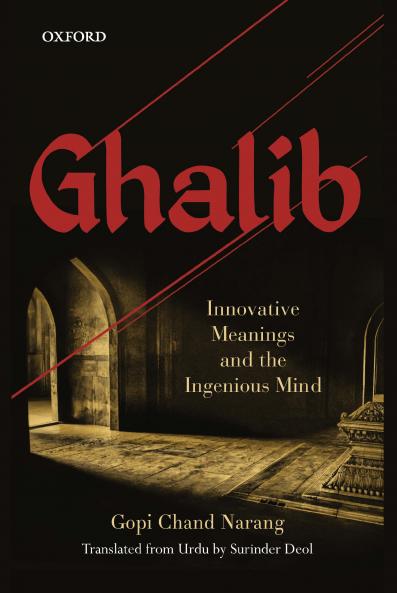
Interpretations of Mirza Ghalib's works have been changing with the times. Romantics classicists progressives and modernists all have found evidence in his writings that appeared close to their viewpoints. <p/>This work studies the ingenious poetics of Ghalib by tracing the roots of his creative consciousness and enigmatic thought in Buddhist dialectical philosophy in particular in Nagarjuna's concept of<em>shunyata</em>(emptiness or voidness). The author also underscores the importance of the Sabke Hindi tradition that is the Indian style of Mughal Persian poetry with indigenized poetics especially through Abdul-Qadir Bedil whom Ghalib considered his mentor. He contends that Ghalib reinvented and polished this tradition deploying the dialectical mode and the language of silence he mastered through his understanding of the ancient philosophy of India under the influence of his mentor Bedil of the Sabke Hindi tradition. Creativity is a complex matter where nothing is cut numerically to the preconceived notions. The charm of love poetry of Ghalib comes from his complexity and ingenuity. This has been established through the study in this book that makes it exciting and revealing. Gopi Chand Narang engages with Ghalib criticism that has flourished since his death and analyses the important works of the poet including pieces from early<em>Nuskhas</em> and<em>Divan-e Ghalib</em> using this central argument.

Piracy-free

Assured Quality

Secure Transactions

Fast Delivery

Sustainably Printed
Details
ISBN 13
9780199475919
Publication Date
-06-12-2017
Pages
-488
Weight
-496 grams
Dimensions
-139.7x215.9x28.84 mm
