

English


Hardback
₹3003
₹3756
20.05% OFF
(All inclusive*)
Delivery Options
Please enter pincode to check delivery time.
*COD & Shipping Charges may apply on certain items.
Review final details at checkout.
Looking to place a bulk order? SUBMIT DETAILS
Delivery Options
Please enter pincode to check delivery time.
*COD & Shipping Charges may apply on certain items.
Review final details at checkout.
About The Book
Description
Author
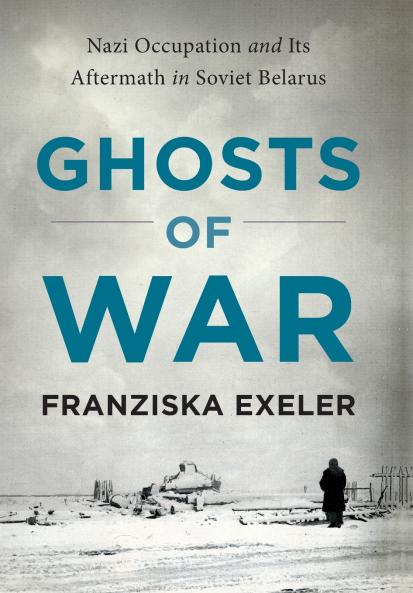
<p><b>How do states and societies confront the legacies of war and occupation and what do truth guilt and justice mean in that process?</b> In <i>Ghosts of War</i> Franziska Exeler examines people's wartime choices and their aftermath in Belarus a war-ravaged Soviet republic that was under Nazi occupation during the Second World War.</p><p>After the Red Army reestablished control over Belarus one question shaped encounters between the returning Soviet authorities and those who had lived under Nazi rule between soldiers and family members reevacuees and colleagues Holocaust survivors and their neighbors: What did you do during the war?</p><p><i>Ghosts of War</i> analyzes the prosecution and punishment of Soviet citizens accused of wartime collaboration with the Nazis and shows how individuals sought justice revenge or assistance from neighbors and courts. The book uncovers the many absences silences and conflicts that were never resolved as well as the truths that could only be spoken in private yet it also investigates the extent to which individuals accommodated contested and reshaped official Soviet war memory. The result is a gripping examination of how efforts at coming to terms with the past played out within and at times through a dictatorship.</p>

Piracy-free

Assured Quality

Secure Transactions

Fast Delivery

Sustainably Printed
Details
ISBN 13
9781501762734
Publication Date
-01-04-2022
Pages
-362
Weight
-578 grams
Dimensions
-152x229x23.81 mm
