


English



Hardback
₹13105
₹15028
12.8% OFF
(All inclusive*)
Delivery Options
Please enter pincode to check delivery time.
*COD & Shipping Charges may apply on certain items.
Review final details at checkout.
Looking to place a bulk order? SUBMIT DETAILS
Delivery Options
Please enter pincode to check delivery time.
*COD & Shipping Charges may apply on certain items.
Review final details at checkout.
About The Book
Description
Author
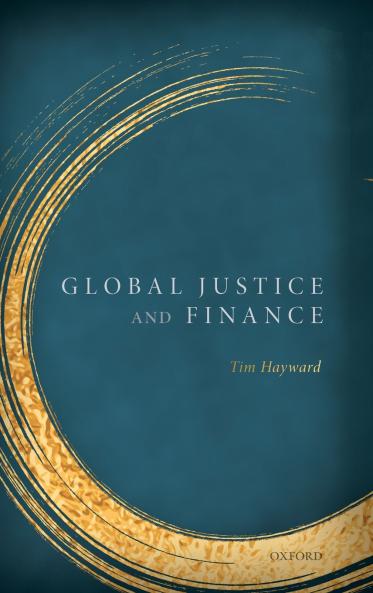
Can global justice be promoted by distributing money more equitably? Could even relatively small financial sacrifices by the affluent work through benign leverage to achieve that goal? <em>Global Justice and Finance</em> casts new light on such questions by considering what is presupposed about finance. Redistributive proposals assume money to be a reliable measure store of value and medium of exchange. Yet maintaining stable interest inflation and exchange rates in a dynamic capitalist economy is a considerable achievement involving a complex financial system. Such global coordination could if so directed contribute immensely to humanity's betterment yet under the direction of a profit seeking elite it leaves a majority disempowered impoverished and indebted. To pay debts ever more desperate measures to wrest value from the world's natural resources increase ecological pressures to harmful extremes and those pressures do not stop short of driving wars. The profit seeking economy is held in place by the complex legal arrangements that constitute finance. Globally there has developed unannounced and unaccountably what amounts to a privatised constitution - binding agreements that transcend sovereign jurisdictions. Hopes of redirecting the financial assets created within this system by means of modest reforms towards objectives of social justice and ecological sustainability may prove illusory. To achieve such objectives arguably requires the constitution of a global normative order guided by public and political decision-making. The achievement of a publicly accountable constitutional order that is superordinate to the financial system might be regarded as a revolutionary transformation.<br>

Piracy-free

Assured Quality

Secure Transactions

Fast Delivery

Sustainably Printed
Details
ISBN 13
9780198842767
Publication Date
-01-10-2019
Pages
-238
Weight
-436 grams
Dimensions
-156x234x14.29 mm
