

English


Paperback
₹3611
₹4652
22.38% OFF
(All inclusive*)
Delivery Options
Please enter pincode to check delivery time.
*COD & Shipping Charges may apply on certain items.
Review final details at checkout.
Looking to place a bulk order? SUBMIT DETAILS
Delivery Options
Please enter pincode to check delivery time.
*COD & Shipping Charges may apply on certain items.
Review final details at checkout.
About The Book
Description
Author
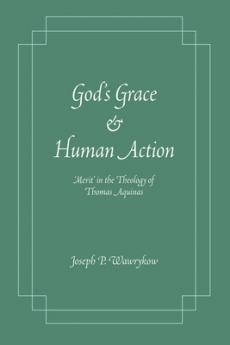
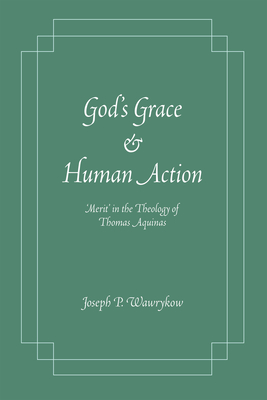
Offering a fresh approach to one significant aspect of the soteriology of Thomas Aquinas <i>God's Grace and Human Action</i> brings new scholarship and insights to the issue of merit in Aquinas's theology. Through a careful historical analysis Joseph P. Wawrykow delineates the precise function of merit in Aquinas's account of salvation. Wawrykow accounts for the changes in Thomas's teaching on merit from the early <i>Scriptum on the Sentences of Peter Lombard</i> to the later <i>Summa theologiae</i> in two ways. First he demonstrates how the teaching of the <i>Summa theologiae</i> discloses the impact of Thomas's profound encounter with the later writings of Augustine on predestination and grace. Second Wawrykow notes the implications of Thomas's mature theological judgment that merit is best understood in the context of the plan of divine wisdom. The portrayal of merit in sapiential terms in the <i>Summa</i> permits Thomas to insist that the attainment of salvation through merit testifies not only to the dignity of the human person but even more to the goodness of God.

Piracy-free

Assured Quality

Secure Transactions

Fast Delivery

Sustainably Printed
Details
ISBN 13
9780268044336
Publication Date
-28-02-2016
Pages
-304
Weight
-414 grams
Dimensions
-152x229x17.33 mm
