

English


Paperback
₹1920
(All inclusive*)
Delivery Options
Please enter pincode to check delivery time.
*COD & Shipping Charges may apply on certain items.
Review final details at checkout.
Looking to place a bulk order? SUBMIT DETAILS
Delivery Options
Please enter pincode to check delivery time.
*COD & Shipping Charges may apply on certain items.
Review final details at checkout.
About The Book
Description
Author
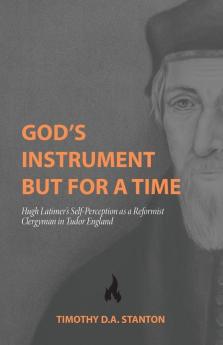
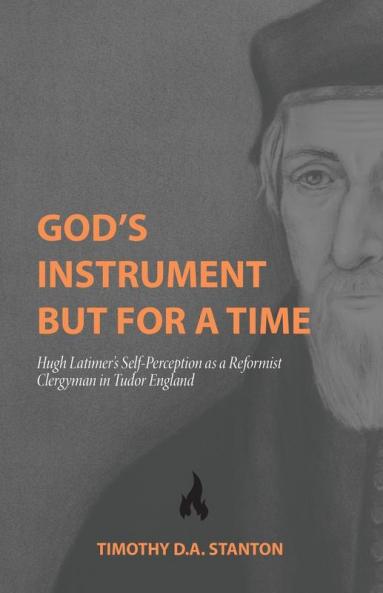
<p><em style=color: rgba(0 0 0 1)>God's Instrument but for a Time</em><span style=color: rgba(0 0 0 1)>&nbsp;considers the development of Hugh Latimer's evangelical convictions as a central&nbsp;figure in the English reformations during the sixteenth century. Recent scholarship has increasingly recognized the Protestant bias and questioned the factual accuracy of John Foxe's&nbsp;</span><em style=color: rgba(0 0 0 1)>Acts and Monuments</em><span style=color: rgba(0 0 0 1)>&nbsp;(1563) which is more commonly known as&nbsp;</span><em style=color: rgba(0 0 0 1)>Foxe's Book of Martyrs</em><span style=color: rgba(0 0 0 1)>. Timothy Stanton's method-tracing the growth of Latimer's evangelical convictions from his extant sermons and letters-avoids the pitfalls of an over-reliance on Foxe by allowing Latimer to speak on his own terms. In this work Stanton approaches Latimer's life and thought topically rather than chronologically and so offers a fresh perspective. He aims to tell Latimer's story in his own words rather than merely retelling the triumphalistic stories that English-speaking Protestants like to tell and are most familiar with-stories that fixate on a martyr's courage and victorious death but frequently neglects the life thought and piety of the person behind them. The portrait that emerges from Stanton's research is of Latimer in his humanity as one who is sometimes brash and stubborn often meek and even self-deprecating always in trouble and ever increasingly convicted that English evangelicals must live and if necessary suffer for God's word's sake. </span></p>

Piracy-free

Assured Quality

Secure Transactions

Fast Delivery

Sustainably Printed
Details
ISBN 13
9781774841082
Publication Date
-10-01-2023
Pages
-136
Weight
-169 grams
Dimensions
-140x216x9.39 mm
