

English


₹18542
(All inclusive*)
Paperback
Delivery Options
Please enter pincode to check delivery time.
*COD & Shipping Charges may apply on certain items.
Review final details at checkout.
Looking to place a bulk order? SUBMIT DETAILS
Delivery Options
Please enter pincode to check delivery time.
*COD & Shipping Charges may apply on certain items.
Review final details at checkout.
About The Book
Description
Author
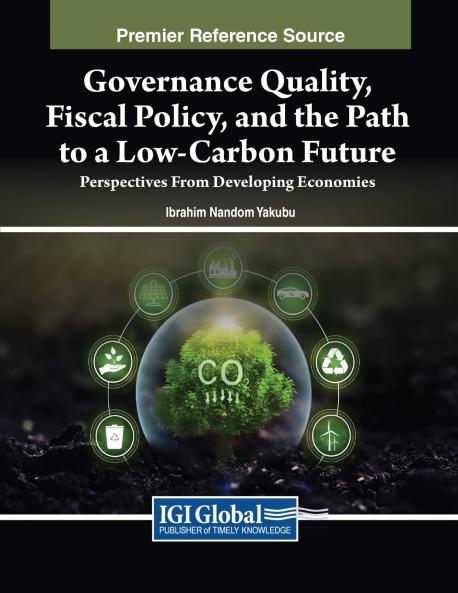
Climate change has emerged as one of the most severe global threats in recent years necessitating urgent interventions. The Paris Agreement on climate change and the United Nations through the Sustainable Development Goals (SDGs) have established ingenious targets for mitigating greenhouse gas emissions thus charting a path to a more ecologically friendly energy system. Energy accessibility is often restricted in developing economies where conventional energy sources like coal oil and natural gas are still primarily utilized. However the inimical effects of traditional energy sources such as fossil fuels on the environment and health and the quest for measures to counteract climate change have sparked a growing interest in renewable energy in these countries. Renewable energy can provide several benefits to developing countries including job creation improved energy access and security and reduced reliance on imported fossil fuels. The potential for developing countries to contribute significantly to the energy transition drive is obvious. Nonetheless they encounter numerous peculiar constraints including restricted access to financing infrastructure deficit and a lack of technical competence that challenge the transition process. Also the need for proper oversight and accountability in the energy sector in most developing countries impedes the ability of governments to adopt effective policies to enhance the efficacy of the sector. Fundamentally the energy transition in developing markets is a challenging and heterogeneous process that necessitates a multidimensional approach encompassing regulatory policies institutional frameworks and technological integration for a sustainable energy system. Governance Quality Fiscal Policy and the Path to a Low-Carbon Future: Perspectives From Developing Economies provides a comprehensive overview of the role of governance quality and fiscal policy in shaping the path toward more sustainable renewable energy sources. Covering several key themes including the relationship between institutional quality and renewable energy adoption emission trading systems green finance climate resilience and climate-induced migration among others this premier reference work aims to provide policymakers academics practitioners and students with valuable insights practical recommendations and a deeper understanding of the energy transition landscape in developing economies.

Piracy-free

Assured Quality

Secure Transactions

Fast Delivery

Sustainably Printed
Details
ISBN 13
9781668492734
Publication Date
-11-08-2023
Pages
-308
Weight
-730 grams
Dimensions
-216x280x16.38 mm
