

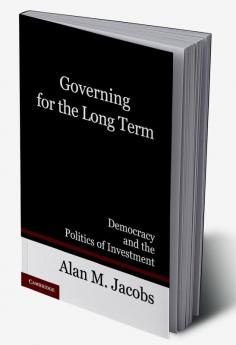

This Book is Out of Stock!
English
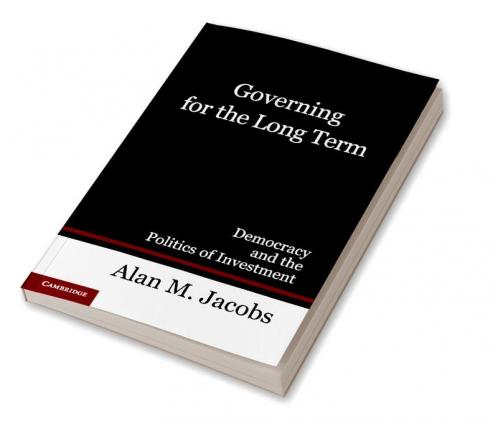
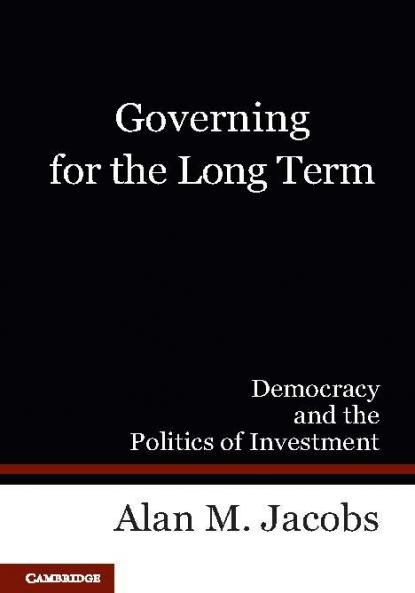






Paperback
₹3647
(All inclusive*)
Delivery Options
*COD & Shipping Charges may apply on certain items.
Review final details at checkout.
Looking to place a bulk order? SUBMIT DETAILS

Piracy-free

Assured Quality

Secure Transactions
About The Book
Description
Author
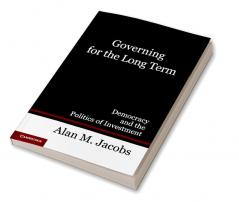
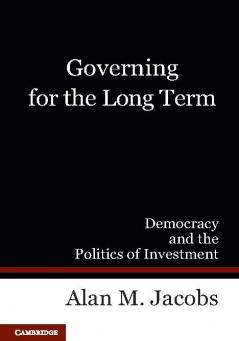
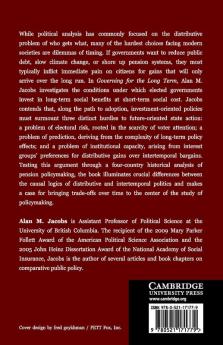
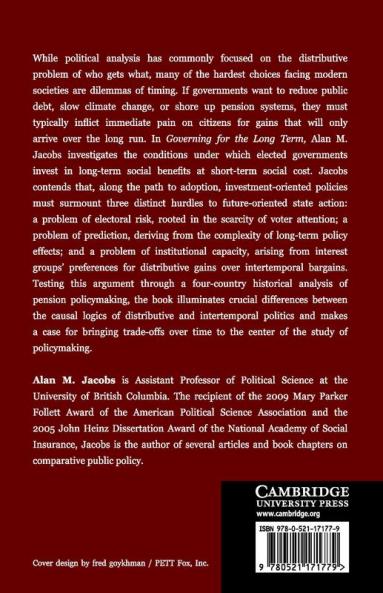
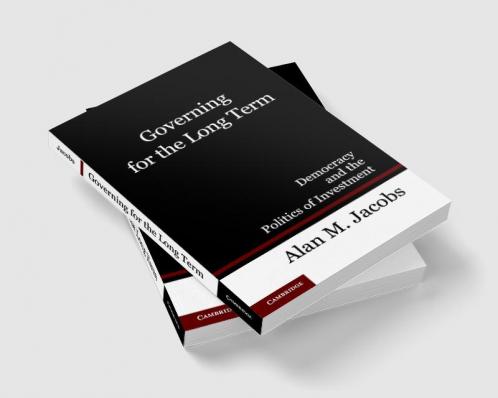
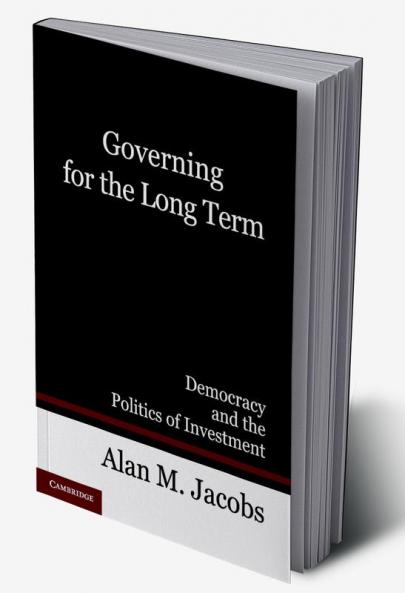
In Governing for the Long Term Alan M. Jacobs investigates the conditions under which elected governments invest in long-term social benefits at short-term social cost. Jacobs contends that along the path to adoption investment-oriented policies must surmount three distinct hurdles to future-oriented state action: a problem of electoral risk rooted in the scarcity of voter attention; a problem of prediction deriving from the complexity of long-term policy effects; and a problem of institutional capacity arising from interest groups'' preferences for distributive gains over intertemporal bargains. Testing this argument through a four-country historical analysis of pension policymaking the book illuminates crucial differences between the causal logics of distributive and intertemporal politics and makes a case for bringing trade-offs over time to the center of the study of policymaking.
Piracy-free
Assured Quality
Secure Transactions
*COD & Shipping Charges may apply on certain items.
Review final details at checkout.
₹3647
Out Of Stock
All inclusive*
Details
ISBN 13
9780521171779
Publication Date
-16-06-2011
Pages
-322
Weight
-459 grams
Dimensions
-155.96x233.93x17.87 mm
