


English


Paperback
₹3085
₹3911
21.12% OFF
(All inclusive*)
Delivery Options
Please enter pincode to check delivery time.
*COD & Shipping Charges may apply on certain items.
Review final details at checkout.
Looking to place a bulk order? SUBMIT DETAILS
Delivery Options
Please enter pincode to check delivery time.
*COD & Shipping Charges may apply on certain items.
Review final details at checkout.
About The Book
Description
Author
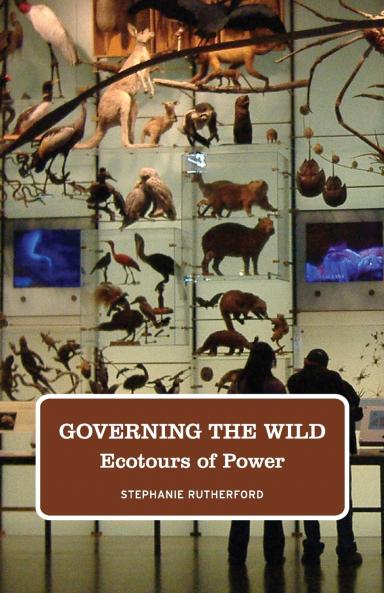
<div> <p>Take four emblematic American scenes: the Hall of Biodiversity at the American Museum of Natural History in New York; Disney's Animal Kingdom theme park in Orlando; an ecotour of Yellowstone and Grand Teton National Parks; the film <i>An Inconvenient Truth</i>. Other than expressing a common interest in the environment they seem quite dissimilar.</p> <p>And yet as <i>Governing the Wild</i> makes clear these sites are all manifestations of green governmentality each seeking to define and regulate our understanding experience and treatment of nature. Stephanie Rutherford shows how the museum presents a scientized assessment of global nature under threat; the Animal Kingdom demonstrates that a corporation can successfully organize a biopolitical project; the ecotour operating as a school for a natural aesthetic sensibility provides a visual grammar of pristine national nature; and the film offers a toehold on a moral way of encountering nature. But one very powerful force unites the disparate truths of nature produced through these sites and that Rutherford tells us is their debt to nature's commodification.</p> <p>Rutherford's analysis reveals how each site integrates nature power and profit to make the buying and selling of nature critical to our understanding and rescuing of it. The combination she argues renders other ways of encountering nature-particularly more radically environmental ways-unthinkable.<br></p> </div>

Piracy-free

Assured Quality

Secure Transactions

Fast Delivery

Sustainably Printed
Details
ISBN 13
9780816674473
Publication Date
-01-11-2011
Pages
-278
Weight
-331 grams
Dimensions
-140x216x15.92 mm
