

English


Paperback
₹956
(All inclusive*)
Delivery Options
Please enter pincode to check delivery time.
*COD & Shipping Charges may apply on certain items.
Review final details at checkout.
Looking to place a bulk order? SUBMIT DETAILS
Delivery Options
Please enter pincode to check delivery time.
*COD & Shipping Charges may apply on certain items.
Review final details at checkout.
About The Book
Description
Author(s)
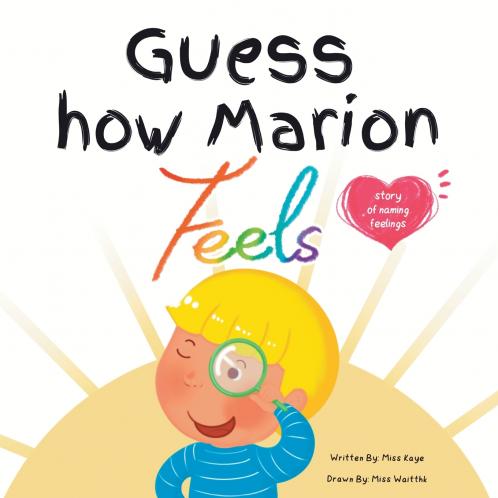
<p><strong style=color: rgba(0 0 0 1)><em>Look at Marion's face. He is smiling. His eyes are bright. His body is relaxed. Can you guess how Marion feels?</em></strong></p><p></p><p><span style=color: rgba(0 0 0 1)>Teaching children to recognize and name their emotions is hard. Guess How Marion Feels makes it simple for kids ages 3-8 including autistic neurodivergent and dyslexic children.</span></p><p><strong style=color: rgba(0 0 0 1)>Why parents and experts recommend it:</strong><span style=color: rgba(0 0 0 1)>&nbsp;Readers' Favorite gave it multiple 5-star reviews. Psychologists and child development experts praise its approach to teaching emotional literacy.</span></p><p></p><p><span style=color: rgba(0 0 0 1)>Marion goes through everyday moments: joy excitement sadness frustration. Children learn to identify feelings by watching his facial expressions body language and reactions to real situations.</span></p><p></p><p><strong style=color: rgba(0 0 0 1)>What makes it work:</strong></p><ul><li><strong style=color: rgba(0 0 0 1)>Easy to read:</strong><span style=color: rgba(0 0 0 1)>&nbsp;Large clear fonts and simple illustrations help children with dyslexia sensory processing needs and learning differences.</span></li><li><strong style=color: rgba(0 0 0 1)>Teaches emotion recognition:</strong><span style=color: rgba(0 0 0 1)>&nbsp;Kids connect facial expressions and body language with feeling words building their emotional vocabulary.</span></li><li><strong style=color: rgba(0 0 0 1)>Keeps kids engaged:</strong><span style=color: rgba(0 0 0 1)>&nbsp;The guessing game format makes learning about emotions fun while building emotional intelligence and social skills.</span></li><li><strong style=color: rgba(0 0 0 1)>Works for all learners:</strong><span style=color: rgba(0 0 0 1)>&nbsp;Supports children with dyslexia ADHD autism spectrum needs and other neurodivergent traits who need extra practice identifying emotions.</span></li><li><strong style=color: rgba(0 0 0 1)>Flexible:</strong><span style=color: rgba(0 0 0 1)>&nbsp;Use it for bedtime reading classroom lessons therapy sessions special education or homeschool curriculum.</span></li></ul><p></p><p><strong style=color: rgba(0 0 0 1)>Who uses it: </strong><span style=color: rgba(0 0 0 1)>Parents teaching emotional regulation at home. Teachers building classroom community and Social-and-Emotional Learning (SEL) curriculum. Therapists and counselors working on social skills. Occupational therapists supporting sensory and emotional development. Special education teachers autism specialists and reading specialists.</span></p><p></p><p><span style=color: rgba(0 0 0 1)>Guess How Marion Feels gives children tools to understand their feelings communicate their needs and build stronger relationships.</span></p><p></p><p><span style=color: rgba(0 0 0 1)>A</span><strong style=color: rgba(0 0 0 1)> perfect gift</strong><span style=color: rgba(0 0 0 1)> for birthdays holidays back to school classroom celebrations therapy milestones special education resources or stocking stuffers. Teachers and carers working with multiple children can purchase in bulk for their classrooms or programs. Email us at ask (at) atmayanurtures (dot) net for our Marion's Emotion Discovery Kit for FREE.</span></p>

Piracy-free

Assured Quality

Secure Transactions

Fast Delivery

Sustainably Printed
Details
ISBN 13
9781738593033
Publication Date
-09-02-2024
Pages
-34
Weight
-83 grams
Dimensions
-216x216x2.24 mm
