

English


Hardback
₹14254
₹18813
24.23% OFF
(All inclusive*)
Delivery Options
Please enter pincode to check delivery time.
*COD & Shipping Charges may apply on certain items.
Review final details at checkout.
Looking to place a bulk order? SUBMIT DETAILS

Piracy-free

Assured Quality

Secure Transactions
About The Book
Description
Author
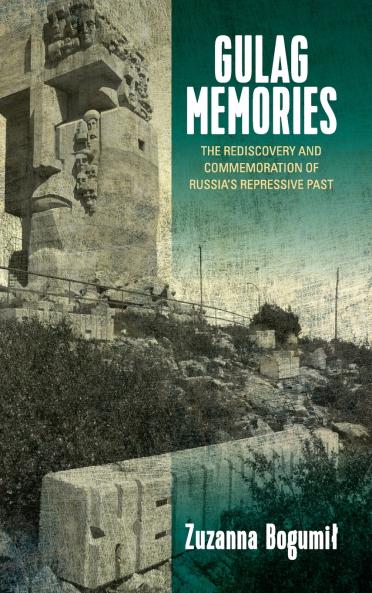
<p> Though the institution of the Gulag was nominally closed over half a decade ago it lives on as an often hotly contested site of memory in the post-socialist era. This ethnographic study takes a holistic comprehensive approach to understanding memories of the Gulag and particularly the language of commemoration that surrounds it in present-day Russian society. It focuses on four regions of particular historical significance-the Solovetsky Islands the Komi Republic the Perm region and Kolyma-to carefully explore how memories become a social phenomenon how objects become heritage and how the human need to create sites of memory has preserved the Gulag in specific ways today.</p>
Piracy-free
Assured Quality
Secure Transactions
Delivery Options
Please enter pincode to check delivery time.
*COD & Shipping Charges may apply on certain items.
Review final details at checkout.
Details
ISBN 13
9781785339271
Publication Date
-14-09-2018
Pages
-250
Weight
-432 grams
Dimensions
-152x229x15.88 mm
