

English


₹1430
₹1461
2.12% OFF
(All inclusive*)
Paperback
Delivery Options
Please enter pincode to check delivery time.
*COD & Shipping Charges may apply on certain items.
Review final details at checkout.
Looking to place a bulk order? SUBMIT DETAILS
Delivery Options
Please enter pincode to check delivery time.
*COD & Shipping Charges may apply on certain items.
Review final details at checkout.
About The Book
Description
Author
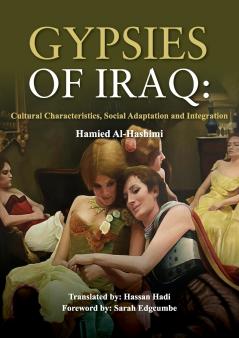
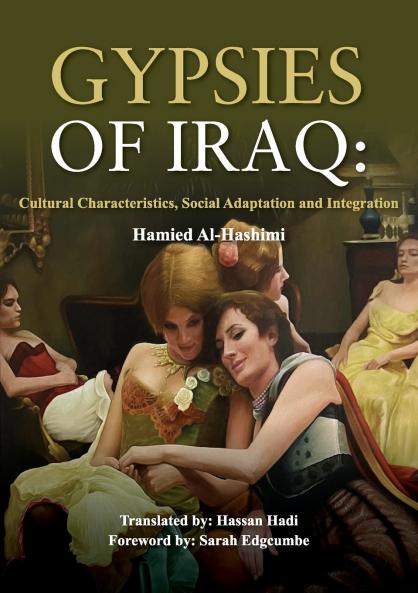
<p class=ql-align-justify></p><p class=ql-align-justify>Following the 2003 fall of Saddam Hussein's regime in Iraq Gypsy communities-particularly in areas like Kamaliya (Baghdad) and Fawwar (Qadisiya)-were targeted by religious militias. Their homes were attacked electricity was cut off and the only local school in Fawwar was destroyed. This violence highlighted the strained and often hostile relationship between Gypsies and their neighbours. The study in question explores the Gypsies as a sub-culture within Iraqi society examining their social adaptation using a socio-anthropological approach grounded in George Homans's theory of social exchange which focuses on the balance of costs and benefits in social interactions.</p><p class=ql-align-justify>Using a case study method with households as units of analysis the research applies comparative historical and statistical techniques. It concentrates on Gypsies in Kamaliya and Fawwar chosen for their representative and active roles among other Gypsy communities across Iraq including villages in Mosul Kerkuk Diala Baghdad Babil Nasiriya and Basra.</p><p class=ql-align-justify>The study uses interviews observation oral testimonies and documentary data. It has both theoretical and fieldwork components. The theoretical section introduces the research background and the hypothesis that the Iraqi term for Gypsies Kawliya may trace back to an Indian king named Kawil.</p><p class=ql-align-justify>The fieldwork comprises six chapters. The first analysis of family structures noted large household sizes and weak kinship ties. The second addresses religion revealing that all studied Gypsies identify as Muslim-a sign of surface-level social integration. The third focuses on economic roles especially women's involvement in music dance sex work and bar-related trades. The fourth examines social control with state law (police) as the dominant force. The fifth chapter studies cultural communication finding it stronger in Kamaliya due to proximity to Baghdad. The sixth explores forms of adaptation: superficial (dress religion language) versus deeper integration through interracial marriage friendship and neighbourhood ties.</p><p class=ql-align-justify>Finally the study discusses post-2003 challenges faced by Gypsies under the dominance of militias. It offers recommendations including gathering Gypsies into better-serviced settlements and guiding them toward accessible occupations like agriculture while ensuring their security and enabling communication under healthy oversight.</p><p></p>

Piracy-free

Assured Quality

Secure Transactions

Fast Delivery

Sustainably Printed
Details
ISBN 13
9781915351425
Publication Date
-14-08-2025
Pages
-272
Weight
-333 grams
Dimensions
-148x210x18.77 mm
