


English




Paperback
₹13628
₹18553
26.55% OFF
(All inclusive*)
Delivery Options
Please enter pincode to check delivery time.
*COD & Shipping Charges may apply on certain items.
Review final details at checkout.
Looking to place a bulk order? SUBMIT DETAILS
Delivery Options
Please enter pincode to check delivery time.
*COD & Shipping Charges may apply on certain items.
Review final details at checkout.
About The Book
Description
Author(s)
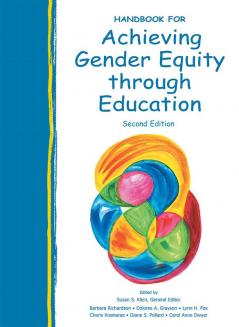
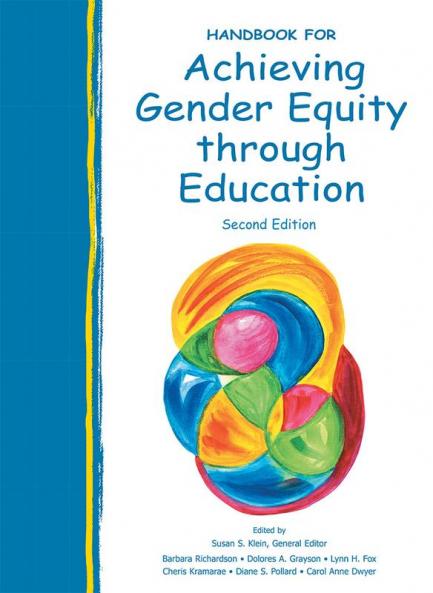
<p>First published in 1985 the <i>Handbook for Achieving Gender Equity Through Education</i> quickly established itself as the essential reference work concerning gender equity in education. This new expanded edition provides a 20-year retrospective of the field one that has the great advantage of documenting U.S. national data on the gains and losses in the efforts to advance gender equality through policies such as Title IX the landmark federal law prohibiting sex discrimination in education equity programs and research. Key features include:<br><br><b>Expertise</b> – Like its predecessor over 200 expert authors and reviewers provide accurate consensus research-based information on the nature of gender equity challenges and what is needed to meet them at all levels of education.<br><br><b>Content Area Focus</b> – The analysis of gender equity within specific curriculum areas has been expanded from 6 to 10 chapters including mathematics science and engineering.<br><br><b>Global/Diversity Focus</b> – Global gender equity is addressed in a separate chapter as well as in numerous other chapters. The expanded section on gender equity strategies for diverse populations contains seven chapters on African Americans Latina/os Asian and Pacific Island Americans American Indians gifted students students with disabilities and lesbian gay bisexual and transgender students. <br><br><b>Action Oriented</b> – All chapters contain practical recommendations for making education activities and outcomes more gender equitable. A final chapter consolidates individual chapter recommendations for educators policymakers and researchers to achieve gender equity in and through education.<br><br><b>New Material</b> – Expanded from 25 to 31 chapters this new edition includes:<br><br>*more emphasis on male gender equity and on sexuality issues;<br>*special within population gender equity challenges (race ability and disability etc);<br>*coeducation and single sex education;<br>*increased use of rigorous research strategies such as meta-analysis showing more sex similarities and fewer sex differences and of evaluations of implementation programs;<br>*technology and gender equity is now treated in three chapters;<br>*women’s and gender studies;<br>*communication skills relating to English bilingual and foreign language learning; and<br>*history and implementation of Title IX and other federal and state policies.<br><br>Since there is so much misleading information about gender equity and education this <i>Handbook</i> will be essential for anyone who wants accurate research-based information on controversial gender equity issues—journalists policy makers teachers Title IX coordinators equity trainers women’s and gender study faculty students and parents.</p>

Piracy-free

Assured Quality

Secure Transactions

Fast Delivery

Sustainably Printed
Details
ISBN 13
9780805854541
Publication Date
-22-05-2007
Pages
-768
Weight
-1725 grams
Dimensions
-210x280x40.06 mm
