




This Book is Out of Stock!




Hardback
₹24173
(All inclusive*)
Delivery Options
*COD & Shipping Charges may apply on certain items.
Review final details at checkout.
Looking to place a bulk order? SUBMIT DETAILS

Piracy-free

Assured Quality

Secure Transactions
About The Book
Description
Author
Shoutouts
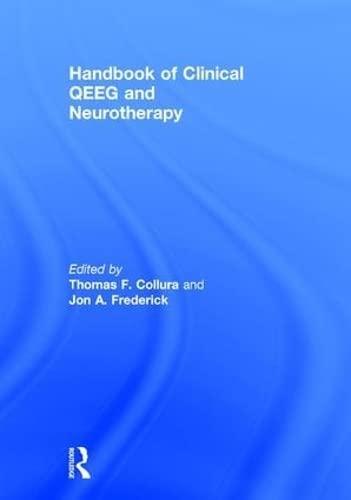
This book is an essential resource describing a wide range of approaches and technologies in the areas of quantitative EEG (QEEG) and neurotherapy including neurofeedback and neuromodulation approaches. It emphasizes practical, clinically useful methods, reported by experienced clinicians who have developed and used these approaches first hand. These chapters describe how the authors approach and use their particular combinations of technology, and how clients are evaluated and treated. This resource, which is encyclopedic in scope, provides a valuable and broad, yet sufficiently detailed account, to help clinicians guide the future directions in client assessment and neurotherapeutic treatment. Each contribution includes literature citations, practical information related to clinical interventions, and clinical outcome information. <p>List of Figures and Tables List of Contributors Preface Introduction I<strong>: Clinical Practice of Neurofeedback</strong> 1. A Brain Functional Dynamic Approach to Counseling and Therapy <em>Thomas Collura, Christen H. Stahl, Benjamin A. Berry,</em> and <em>Justin R. Leiter-Mcbeth</em> 2.Evolving as a Neurotherapist: Integrating Psychotherapy and Neurofeedback <em>Glenn Weiner</em> 3. Variables Related to Neurotherapy Success/Failure <em>James R. Evans, Mary Blair Dellinger,</em><em>Ann Guyer,</em> and <em>Jane Price</em> 4. Neuromeditation: An Introduction and Overview <em>Jeffrey M. Tarrant</em> 5.Investigating the Neuroplasticity of Chronic Pain Utilizing Biofeedback Procedures <em>Stuart Donaldson, Mary Donaldson</em>. and <em>Doneen Moran</em> 6. Working with Forensic Populations: Incorporating Peripheral Biofeedback and Brainwave Biofeedback into your Organization or Practice <em>Robert E. Longo</em> and <em>G. Michael Russo </em><strong>II. Pediatric Neurofeedback</strong> 7. Training Children Younger than 6 Years of Age <em>Merlyn Hurd</em> 8. QEEG and 19 Channel neurofeedback as a clinical evaluation tool for children with attention, learning and emotional problems <em>Theresia Stöckl-Drax</em><strong>III: The Neurologist’s Perspective</strong> 9. QEEG Guided Neurofeedback to Normalize Brain Function in Various Disorders <em>Jonathan E. Walker</em> 10. QEEG (Brain Mapping) and LORETA Z-score Neurofeedback in Neuropsychiatric Practice. <em>J. Lucas Koberda</em> 11. Concussionology <em>Harry Kerasidis</em><strong>IV: Dyslexia and Reading</strong> 12. Rhythms of Dyslexia: EEG, ERP &amp; Neurofeedback <em>Tony Steffert </em>and <em>Beverly Steffert</em> 13. Normal and abnormal reading processes in children: Neuropsychophysiological studies <em>Giuseppe A. Chiarenza</em> 14. The Electrophysiological Coordinated Allocation of Resource (CAR) Model of Effective Reading in Children, Adolescents and Adults <em>Kirtley E. Thornton and</em><em>Dennis P. Carmody</em><strong>V: sLORETA/LORETA and Z-Score Training</strong> 15. sLORETA in Clinical Practice: not all ROIs are created equal <em>Mark Llewellyn Smith </em>16.S-LORETA Neurofeedback as a treatment for PTSD <em>Nir Getter,, Zeev Kaplan</em>, and <em>Doron Todder</em> 17. The Efficacy of Z-Score Neurofeedback Training <em>Joseph Guan</em> 18. Introduction to the Concepts and Clinical Applications of Multivariate Live Z-score Training, PZOK and sLORETA Feedback <em>Penijean A. Gracefire</em><strong>VI: QEEG and Brain Dynamical Approaches</strong> 19. Perspective and Method for a qEEG Based Two Channel Bi-Hemispheric Compensatory Model of Neurofeedback Training <em>Richard Soutar</em> 20. Neurotherapy for Clinicians in the Trenches: The ClinicalQ and Braindriving <em>Paul G. Swingle</em> 21. The Use of Surface 19-Channel Z-Score Training to Ameliorate Symptoms Remaining or Apparently Caused after Withdrawal from Those Medications <em>Kathy Abbott</em> 22. Raw EEG Biomarkers, Z-Scored Normative Analysis, and the Diagnosis of Neurobehavioral Disorders <em>Leonardo Mascaro</em><strong>VII: Traditional Alpha/Theta/Beta Protocols</strong> 23. Neurofeedback as a Treatment for Anxiety in Adolescents and Young Adults <em>Cynthia Kerson</em> 24.Alpha-theta-based Clinical Outreach Lincoln Stoller <strong>VIII: Emerging Paradigms</strong> 25. EEG State Discrimination and the Phenomenal Correlates of Brainwave States <em>Jon Frederick</em> 26. Infra-slow Fluctuation (ISF) Training for Autism Spectrum Disorders <em>Mark</em><em>Llewellyn Smith, Leo Leiderman</em> and <em>Jackie de Vries</em> 27. Transcranial Direct Current Stimulation in Rehabilitation <em>Roger H Riss</em> and <em>Frederick Ulam</em> 28. An Integrative Approach to Optimizing Neural Function: Exploring the Brain-Gut Connection <em>Nancy E. White</em> and <em>Leonard M. Richards </em></p>
Piracy-free
Assured Quality
Secure Transactions
*COD & Shipping Charges may apply on certain items.
Review final details at checkout.
₹24173
Out Of Stock
All inclusive*
Details
ISBN 13
9781138802643
Publication Date
-22-11-2016
Pages
-620
Weight
-1189 grams
Dimensions
-178x254x33.85 mm
