

English


Hardback
₹14791
₹15134
2.27% OFF
(All inclusive*)
Delivery Options
Please enter pincode to check delivery time.
*COD & Shipping Charges may apply on certain items.
Review final details at checkout.
Looking to place a bulk order? SUBMIT DETAILS
Delivery Options
Please enter pincode to check delivery time.
*COD & Shipping Charges may apply on certain items.
Review final details at checkout.
About The Book
Description
Author(s)
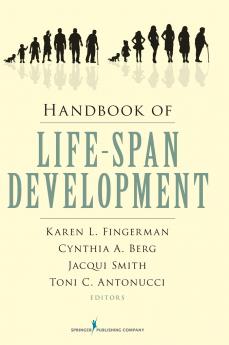
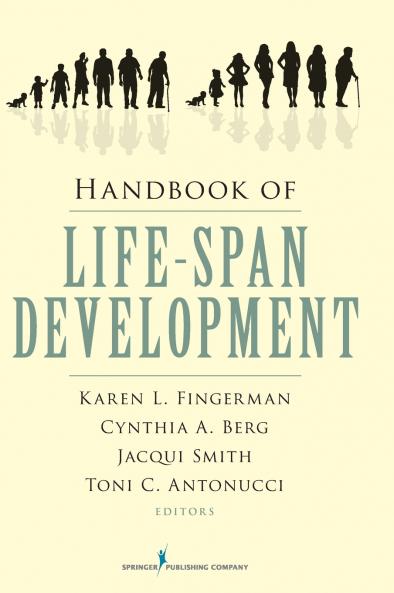
<p>The handbook is an impressive collection of research studies and theories provided by knowledgeable contributors on life-span development from conception to old age.--<b>Anthropology and Aging Quarterly</b></p> <p>The doubling of our average life span since the turn of the 20th century is considered by many scholars to be one of the most important changes in human existence. This definitive text is the only volume to fully address through a multidisciplinary perspective the biological cognitive and psychological development that occurs from infancy through old age and how the sociocultural and institutional factors interface with these changes. </p> <p>Edited by leading research scholars in the field of life-span development the volume also includes contributions of specialists in behavioral genetics socioemotional selectivity theory neuroscience ecological models and more. It examines the dynamics of close relationships and informal ties among the elderly population child-parent attachment relationships as a life-span phenomenon developmental tasks across the lifespan continuity and discontinuity in temperament and personality the sociocultural context of cognition across the life span and variability in approaches to social problem solving from early to later life. Given the number of recent demographic shifts it also explores issues related to fertility life expectancy environmental contexts technology immigration and public policy. </p> <b>Key Features:</b> <p> <ul> <li>Integrates the full life span from infancy through old age in each chapter <li>Considers multidisciplinary perspectives that address personal relationships cognitive development and social emotional and physical health across the life span <li>Situates life-span development in ecological contexts (e.g. socioeconomic neighborhood and immigration status) <li>Provides a concise but thorough resource for graduate seminars in life-span-related studies <li>Highlights future issues in all areas of life-span study </ul> </p>

Piracy-free

Assured Quality

Secure Transactions

Fast Delivery

Sustainably Printed
Details
ISBN 13
9780826110794
Publication Date
-25-12-2010
Pages
-930
Weight
-1715 grams
Dimensions
-178x254x49.21 mm
