


English



Paperback
₹6631
₹6980
5% OFF
(All inclusive*)
Delivery Options
Please enter pincode to check delivery time.
*COD & Shipping Charges may apply on certain items.
Review final details at checkout.
Looking to place a bulk order? SUBMIT DETAILS

Piracy-free

Assured Quality

Secure Transactions
About The Book
Description
Author
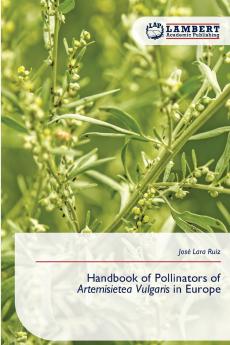
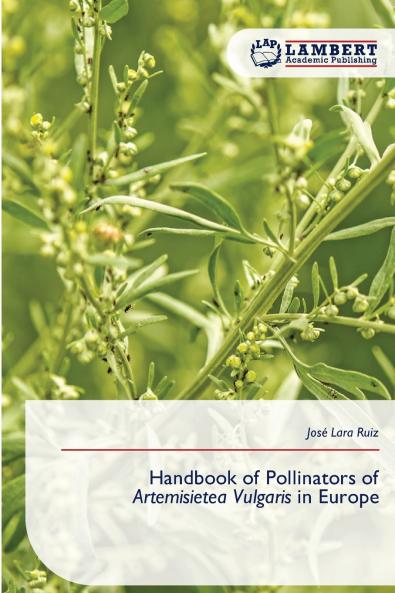
Artemisietea vulgaris vegetation is characterized by a dominance of tall hemicryptophytes such as Artemisia vulgaris Urtica dioica and Cirsium arvense species that are well adapted to nutrient accumulation soil disturbance and irregular management regimes. These communities thrive in transitional zones between cultivated fields abandoned lands and urban or industrial peripheries forming dynamic systems that reflect both natural successional processes and anthropogenic influence.The ecological role of Artemisietea vulgaris extends beyond plant composition. These assemblages often provide valuable floral resources for pollinators habitat for invertebrates and functional connectivity across fragmented landscapes. In many cases they contribute to ecosystem services such as pollination soil stabilization and even phytoremediation. Yet their role remains understudied compared to more pristine or stable ecosystems.This study aims to evaluate the ecological significance of Artemisietea vulgaris vegetation particularly its role in supporting biodiversity and sustaining ecological functions in disturbed environments.
Piracy-free
Assured Quality
Secure Transactions
Delivery Options
Please enter pincode to check delivery time.
*COD & Shipping Charges may apply on certain items.
Review final details at checkout.
Details
ISBN 13
9786209086601
Publication Date
-07-11-2025
Pages
-72
Weight
-111 grams
Dimensions
-152x229x4.38 mm
