



This Book is Out of Stock!
English



Hardback
₹21150
₹25224
16.15% OFF
(All inclusive*)
Delivery Options
*COD & Shipping Charges may apply on certain items.
Review final details at checkout.
Looking to place a bulk order? SUBMIT DETAILS

Piracy-free

Assured Quality

Secure Transactions
About The Book
Description
Author
Shoutouts
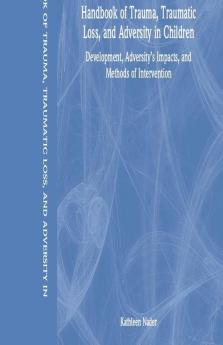
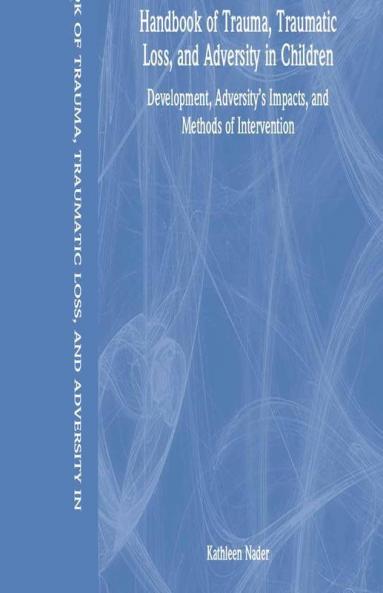
<p>The<em> Handbook of Trauma, Traumatic Loss, and Adversity in Children</em> is a developmentally oriented book rich with findings related to child development, the impact of trauma on development and functioning, and interventions directed at treating reactions to trauma. </p><p>Aspects of attachment and parenting and the use of interrelationships toward therapeutic ends are included in each age-related section of the book, ranging from 0 to 18+. Consolidating research from a range of disciplines including neurobiology, psychopathology, and trauma studies, chapters offer guidance on the potentially cascading effects of trauma, and outline strategies for assisting parents and teachers as well as children. Readers will also find appendices with further resources for download on the book’s website.</p><p>Grounded in interdisciplinary research, the <i>Handbook of Trauma, Traumatic Loss, and Adversity in Children </i>is an important resource for mental health researchers and professionals working with children, adolescents, and families during the ongoing process of healing from traumatic exposure.</p> <p><strong>Part I: Introduction </strong>1. Child Developmental Domains That May Be Influenced by Trauma or Other Adversity 2. Effects of Trauma and Adversity on Developmental Domains 3. Cascading and Long-Term Effects of Childhood Trauma 4. Recognizing Risk and Protective Factors: Child-, Environment-, and Posttrauma Aftermath-Related Variables <strong>Part II: Ages 0</strong>–<strong>3 </strong>5. Development of Infants and Toddlers 6. Trauma and Adversity’s Influence on Infants and Toddlers 7. Treatment Methods for Infants and Toddlers: Ages 0–3 <strong>Part III: Ages 3</strong>–<strong>6 </strong>8. Development in Preschool and Early School-Age Children 9. The Impact of Trauma and Adversity: Ages 3–6 10. Treatment Methods for Children Ages 3–6 <strong>Part IV: Ages 6</strong>–<strong>12 </strong>11. Development in Children Ages 6–12 12. Trauma’s Impact on Life and Developmental Domains: Ages 6–12 13. Interventions for Children Ages 6–12 <strong>Part V: Ages 13</strong>–<strong>18+ </strong>14. Development in Youth Ages 13–17 15. Adolescent Disorders and Adversity’s Impact on Outcomes 16. Interventions for Youth Ages 13–17 or Older <b>Part VI: Issues for Working with, Teaching, or Living with Youth Exposed to Adversity </b>17. Assisting Youth Recovery After Trauma or Adversity <em>Glossary References Subject Index Author Index </em></p>
Piracy-free
Assured Quality
Secure Transactions
*COD & Shipping Charges may apply on certain items.
Review final details at checkout.
₹21150
₹25224
16% OFF
Hardback
Out Of Stock
All inclusive*
Details
ISBN 13
9781138605190
Publication Date
-13-09-2019
Pages
-646
Weight
-1233 grams
Dimensions
-178x254x35.19 mm
