


English



Paperback
₹8085
(All inclusive*)
Delivery Options
Please enter pincode to check delivery time.
*COD & Shipping Charges may apply on certain items.
Review final details at checkout.
Looking to place a bulk order? SUBMIT DETAILS
Delivery Options
Please enter pincode to check delivery time.
*COD & Shipping Charges may apply on certain items.
Review final details at checkout.
About The Book
Description
Author
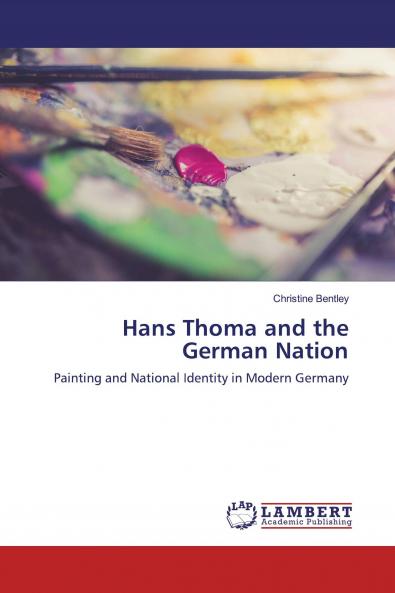
This study analyzes Hans Thoma’s (1839-1924) creative motivations artistic development and struggle for recognition in the context of modern German painting. More importantly it examines Thoma’s place in nineteenth-century German art particularly that of fin-de-siècle German Realist art from 1870-1900 with its contributions to the newly-formed government’s initiative of constructing a generic German national identity through his landscape paintings and genre scenes. I contend that Hans Thoma''s paintings played a part in constructing the German idea of the ‘Deutsche Heimat’ [German Homeland] at this time. Thoma’s paintings of the day-to-day life of people living in rural Germany and their surrounding landscapes came to represent an identity of the collective whole. Because he primarily painted the people and landscape in and around his hometown of Bernau in southern Germany’s region of Baden-Württemberg it also expressed Thoma’s regionalist pride. Regionalism and its varying identities became a foundation for larger definitions of German nationalism toward the end of the nineteenth century.

Piracy-free

Assured Quality

Secure Transactions

Fast Delivery

Sustainably Printed
Details
ISBN 13
9786139917891
Publication Date
-24-07-2019
Pages
-240
Weight
-314 grams
Dimensions
-150x220x12.93 mm
