

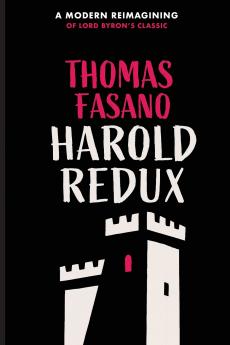
English
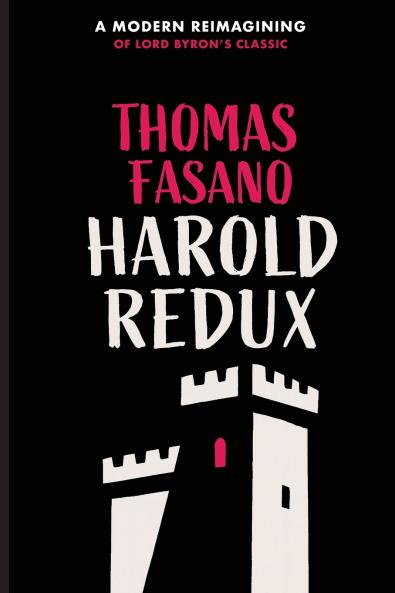


Paperback
₹1962
(All inclusive*)
Delivery Options
Please enter pincode to check delivery time.
*COD & Shipping Charges may apply on certain items.
Review final details at checkout.
Looking to place a bulk order? SUBMIT DETAILS

Piracy-free

Assured Quality

Secure Transactions
About The Book
Description
Author
<p>This book is a four-canto epic poem that reimagines Lord Byron's <em>Childe Harold's Pilgrimage</em> for the 21st century. Adopting Byron's classic nine-line Spenserian stanza the work chronicles the travels and introspections of a new Childe Harold a contemporary figure of profound disillusionment and exile.</p><p></p><h2>The Pilgrim</h2><p></p><p>The protagonist is a young man from Albion who is deeply enmeshed in the excesses and anxieties of modern life. He is a bingeing pilgrim whose world is defined by digital media fleeting fame and nihilistic pleasure-seeking. His life is a chaotic stream of Netflix raves and social media posturing where he hashtags his decline with filtered disbelief. Fleeing scandals that can't be scrubbed by any ghostwriter and a world of counterfeit praise Harold is an exile not just from his homeland but from himself bearing a viral wound in a soul that has damned itself the first.</p><p></p><h2>The Pilgrimage</h2><p></p><p>Harold's journey is a doomscroll through the historical landscapes of Europe each location filtered through his modern cynical consciousness.</p><p></p><p><strong>Canto I:</strong> Beginning his flight from England Harold travels through Portugal and Spain. He witnesses a filtered land where history's scars persist amidst tourist vistas. He reflects on the Napoleonic Wars seeing the fields of battle as places where soldiers fertilized the earth with hashtags of their pain.</p><p><strong>Canto II:</strong> Harold journeys to Greece and Albania. Here the cradle of Western civilization is a sad relic taxidermied worth. Ancient myths have been reduced to potential Netflix pitch[es] and the Parthenon's marbles have been plundered for a London's gallery. He encounters a land of savage beauty and reflects on the loss of freedom and glory.</p><p><strong>Canto III:</strong> Traveling through Belgium the Rhine and the Alps Harold confronts the ghosts of Waterloo and the nature of ambition and tyranny. The canto features a deep meditation on the tormented creative spirit of figures like Rousseau. In the sublime indifference of the Alps-God's palaces of ice -he finds a temporary escape from the human chain feeling a powerful connection to nature's raw unfiltered existence.</p><p><strong>Canto IV:</strong> The final leg of the pilgrimage takes Harold to Italy. He sees Venice as a sepulchral turnstile and Rome as a majestic ruin where History the franchise of regret / Rewrites itself with every streaming cast. He meditates on the fall of empires the enduring power of art and the cyclical nature of human folly concluding his journey in the shadow of the Colosseum.</p><p></p><h2>Style and Themes</h2><p></p><p>The poem's most striking feature is its fusion of classical form with hyper-contemporary language. The Muse is a Botoxed Maid of Heaven ancestral legacies fall like crypto coins and love is a credit card declined. This stylistic choice underscores the central themes: the clash between historical weight and digital ephemerality the corrosiveness of modern fame and the search for authentic experience in a world mediated by screens. It's a sprawling satirical and ultimately tragic exploration of what it means to be a soul adrift in an age of algorithmic certainty and spiritual emptiness.</p>
Piracy-free
Assured Quality
Secure Transactions
Delivery Options
Please enter pincode to check delivery time.
*COD & Shipping Charges may apply on certain items.
Review final details at checkout.
Details
ISBN 13
9798987765555
Publication Date
-09-10-2025
Pages
-174
Weight
-207 grams
Dimensions
-140x210x10.19 mm
