

English


Paperback
₹3750
₹4831
22.38% OFF
(All inclusive*)
Delivery Options
Please enter pincode to check delivery time.
*COD & Shipping Charges may apply on certain items.
Review final details at checkout.
Looking to place a bulk order? SUBMIT DETAILS
Delivery Options
Please enter pincode to check delivery time.
*COD & Shipping Charges may apply on certain items.
Review final details at checkout.
About The Book
Description
Author
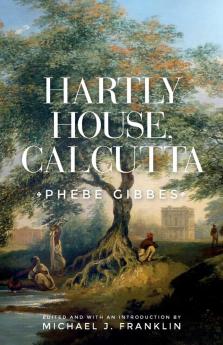
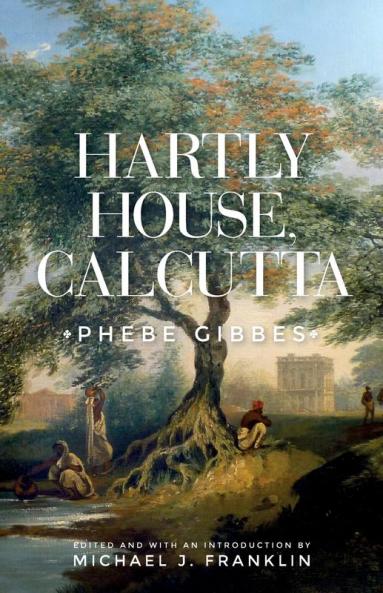
This novel is a designedly political document. Written at the time of the Hastings impeachment and set in the period of Hastings's Orientalist government <i>Hartly House Calcutta</i> (1789) represents a dramatic delineation of the Anglo-Indian encounter. The novel constitutes a significant intervention in the contemporary debate concerning the nature of Hastings's rule of India by demonstrating that it was characterised by an atmosphere of intellectual sympathy and racial tolerance. Within a few decades the Evangelical and Anglicising lobbies frequently condemned Brahmans as devious beneficiaries of a parasitic priestcraft but Phebe Gibbes's portrayal of Sophia's Brahman and the religion he espouses represent a perception of India dignified by a sympathetic and tolerant attempt to dispel prejudice.

Piracy-free

Assured Quality

Secure Transactions

Fast Delivery

Sustainably Printed
Details
ISBN 13
9781526134370
Publication Date
-13-02-2019
Pages
-272
Weight
-324 grams
Dimensions
-140x216x15.6 mm
