

English


Hardback
₹12864
(All inclusive*)
Delivery Options
Please enter pincode to check delivery time.
*COD & Shipping Charges may apply on certain items.
Review final details at checkout.
Looking to place a bulk order? SUBMIT DETAILS
Delivery Options
Please enter pincode to check delivery time.
*COD & Shipping Charges may apply on certain items.
Review final details at checkout.
About The Book
Description
Author
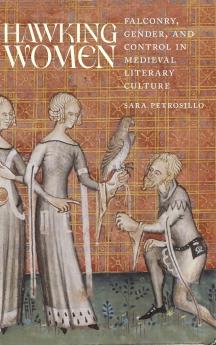
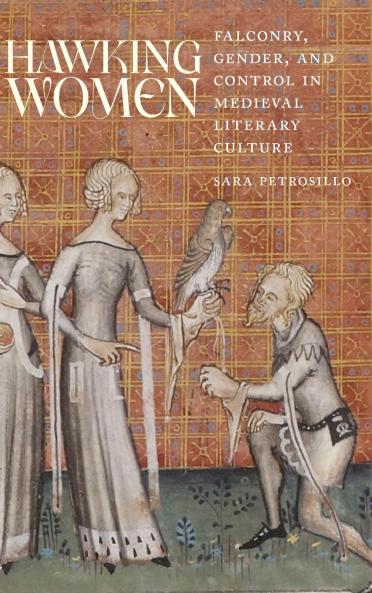
<div>While critical discourse about falconry metaphors in premodern literature is dominated by depictions of women as unruly birds in need of taming women in the Middle Ages claimed the symbol of a hawking woman on their personal seals trained and flew hawks and wrote and read poetic texts featuring female falconers. Sara Petrosillo's <i>Hawking Women</i> demonstrates how cultural literacy in the art of falconry mapped for medieval readers onto poetry and challenged patriarchal control. Examining texts written by for or about women <i>Hawking Women</i> uncovers literary forms that arise from representations of avian and female bodies. Readings from <i>Sir Orfeo</i> Chrétien de Troyes Guillaume de Machaut Chaucer's <i>Troilus and Criseyde</i> and hawking manuals among others show how female characters are paired with their hawks not to assert dominance over the animal but instead to recraft the stand-in of falcon for woman as falcon <i>with</i> woman. In the avian hierarchy female hawks have always been the default the dominant and thus these medieval interspecies models contain lessons about how women resisted a culture of training and control through a feminist poetics of the falconry practice.</div>

Piracy-free

Assured Quality

Secure Transactions

Fast Delivery

Sustainably Printed
Details
ISBN 13
9780814215487
Publication Date
-31-01-2023
Pages
-216
Weight
-387 grams
Dimensions
-152x229x15.88 mm
