

English


Paperback
₹4111
₹4211
2.37% OFF
(All inclusive*)
Delivery Options
Please enter pincode to check delivery time.
*COD & Shipping Charges may apply on certain items.
Review final details at checkout.
Looking to place a bulk order? SUBMIT DETAILS
Delivery Options
Please enter pincode to check delivery time.
*COD & Shipping Charges may apply on certain items.
Review final details at checkout.
About The Book
Description
Author
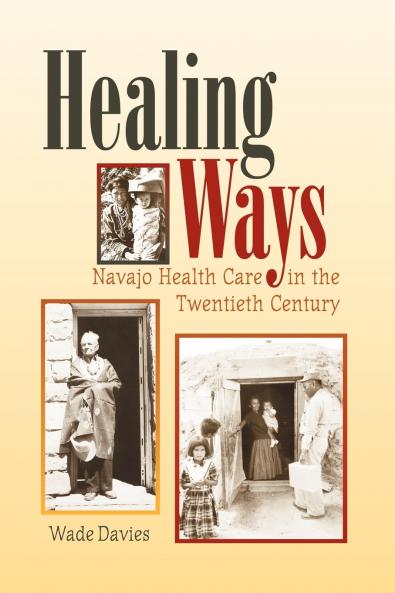
Since the end of World War II Navajo healing traditions have slowly been integrated into the Western medical institutions that serve the Diné. The history of Western medical care on Navajo reservations in the twentieth century however demonstrates that the incorporation of indigenous healing practices did not come without struggle. The advent of American mass culture urbanization and other forces made it difficult for young Diné to learn and preserve the old ways. At the same time non-Native medical providers missionaries and U. S. government officials sometimes hindered the effort of the Diné to use traditional ceremonies and medical care.Focusing on the post-World War II period Davies's detailed study begins where Robert Trennert's White Man's Medicine (1998) the only other general history of Western medicine among the Navajo ends. Chronicling the advent of so-called western or scientific medicine in the modern era including the development of indigenous healing traditions and such new institutions as the Native American Church Davies shows the skill and adaptability of Diné in accepting the services of physicians while keeping the work of traditional healers among their health-care options. Davies also explores contemporaneous Navajo critiques of both high-tech and traditional health-care modes detailing Navajo battles to integrate their healing practices into government and private health-care systems.The will of the Diné people to achieve self-determination in health care--and indeed to view health and healing in a broad and interactive context--has been so resolute that both tribal leadership and federal officials have been forced to acknowledge and contend with the Diné insistence on shaping Western medicine to fit their way of life. The Diné one of Davies' informants states are learning to function in two different worlds and in so doing are intent on seeking the best of both.

Piracy-free

Assured Quality

Secure Transactions
Details
ISBN 13
9780826324412
Publication Date
-01-06-2009
Pages
-266
Weight
-365 grams
Dimensions
-152x229x15.27 mm
