


English



Paperback
₹3937
(All inclusive*)
Delivery Options
Please enter pincode to check delivery time.
*COD & Shipping Charges may apply on certain items.
Review final details at checkout.
Looking to place a bulk order? SUBMIT DETAILS
Delivery Options
Please enter pincode to check delivery time.
*COD & Shipping Charges may apply on certain items.
Review final details at checkout.
About The Book
Description
Author
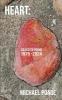
<p>When you open any book of Michael Poage's poems from the last ten years you encounter geological layers of history-layers of suffering and bloodshed of war but also of insight and grace.&nbsp;And you encounter the voice of the poet--but is it his own persona or of someone he has known in Croatia in Gaza Bosnia-or Kansas?&nbsp;The need for our deep listening keeps the reader alert to the undercurrents and rip tides of these poems.&nbsp;</p><p>The French influenced surrealism of the early volumes is invitingly readable and often very moving to the emotional life of the mind.&nbsp;For example how Lame Deer Man and Alice Creek evoke images from the years Poage spent as a sheep farmer in Montana translating French poetry by lantern.&nbsp;But more than landscapes of snow moon and dirt we enter the charged landscapes of intimacy of male sensuality of the search for the lips the hands the glance--the search for the further depths of the beloved other as in Breaking.</p><p><br></p><p>The change is notable when in his fifties the poet embraced his own sufferings (and therapy) and at the same time due to his travels and teaching abroad became more extroverted and aware of the suffering of those around him.Y2K was probably not any more apocalyptic for him than it was for the rest of us but the new millennium brought a new voice: less hermetic more open and direct about family travels spiritual struggles.&nbsp;These don't feel like the poems of a pastor from Kansas!&nbsp;And yet that has been Michael's vocation his calling: to minister to those who need to those who don't even know how to ask.&nbsp;These poems are sometimes ironic in a voice that a minister cannot use in church.&nbsp;Some of these are weary with frustration while others whip us with a flash of bitter disappointment.We find the poet trying to make sense of the sufferings he finds-in himself and in the war-torn world-but failing in that task he makes a poem that gives us insights and readerly satisfaction but tragically can change nothing in the practical world.&nbsp;</p><p>As in any good poem there are surprises in the last two-three lines that make us re-read and rethink our experience.&nbsp;He may begin with the sadness of a weeping willow but stuns us by ending: On this date in 1812 / Beethoven wrote a passionate letter /to an unknown woman.&nbsp;Don't we all?&nbsp;The jump to Beethoven is a surprise but it's the final three words that give the shock.</p><p><br></p><p>Leonard Oakland</p><p>Prof. Emeritus English Literature</p><p>Whitworth University</p><p>Spokane WA</p>

Piracy-free

Assured Quality

Secure Transactions

Fast Delivery

Sustainably Printed
Details
ISBN 13
9781958182864
Publication Date
-30-08-2024
Pages
-984
Weight
-966 grams
Dimensions
-127x203x55.81 mm
