



English




₹1494
₹1924
22.35% OFF
(All inclusive*)
Hardback
Delivery Options
Please enter pincode to check delivery time.
*COD & Shipping Charges may apply on certain items.
Review final details at checkout.
Looking to place a bulk order? SUBMIT DETAILS
Delivery Options
Please enter pincode to check delivery time.
*COD & Shipping Charges may apply on certain items.
Review final details at checkout.
About The Book
Description
Author
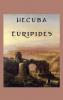
<p><strong><em>Hecuba</em> is one of Euripides' most powerful tragedies a stark drama of grief revenge captivity and the moral wreckage left by war.</strong> Set in the aftermath of the Trojan War the play follows Hecuba former queen of Troy as she endures the loss of her city her freedom and her children. Already reduced from royalty to enslavement she is forced to confront new acts of violence and betrayal and her suffering hardens into a terrible demand for justice. Euripides gives Hecuba a voice of immense emotional force making the play one of the great classical treatments of bereavement powerlessness vengeance and the collapse of human restraint.</p><p>As Greek tragedy <em>Hecuba</em> belongs to the same dramatic world as <em>The Trojan Women</em> <em>Medea</em> <em>Electra</em> and <em>Iphigenia in Aulis</em> but its particular force lies in the transformation of sorrow into vengeance. The play examines the cost of conquest not from the perspective of heroes but from that of the conquered the widowed the enslaved and the bereaved. For readers of classical drama ancient Greek literature mythology Trojan War narratives and tragic theatre <em>Hecuba</em> remains an essential Euripidean tragedy and a severe meditation on war justice motherhood and revenge.</p>

Piracy-free

Assured Quality

Secure Transactions

Fast Delivery

Sustainably Printed
Details
ISBN 13
9781515426554
Publication Date
-03-04-2018
Pages
-32
Weight
-154 grams
Dimensions
-156x234x6.35 mm
