



English




Paperback
₹4566
₹6141
25.65% OFF
(All inclusive*)
Delivery Options
Please enter pincode to check delivery time.
*COD & Shipping Charges may apply on certain items.
Review final details at checkout.
Looking to place a bulk order? SUBMIT DETAILS
Delivery Options
Please enter pincode to check delivery time.
*COD & Shipping Charges may apply on certain items.
Review final details at checkout.
About The Book
Description
Author(s)
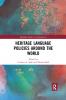
<p>Heritage language policies define the context in which heritage languages are maintained or abandoned by communities and this volume describes and analyzes international policy strategies as well as the implications for the actual heritage language speakers.</p><p>This volume brings together heritage language policy case studies from around the world foregrounding globalization by covering five regions: the Americas Europe Africa Asia and Australasia. The countries profiled include the United States Canada Argentina Norway Sweden Ireland Uganda Namibia Morocco Japan South Korea Singapore New Zealand Australia and Fiji. This volume also highlights an expanded definition of ‘heritage language’ choosing to focus on individual and community identities and therefore including both Indigenous and immigrant languages.</p><p>Focusing specifically on language policy relating to heritage languages the chapters address key questions such as </p><ul> <p> </p> <li>Are heritage languages included or excluded from the national language policy discourse? </li> <p> </p> <li>What are the successes and shortcomings of efforts to establish heritage language policies? </li> <p> </p> <li>What is the definition of ‘heritage language’ in official usage by the local/regional government and stakeholders? </li> <p> </p> <li>How are these language policies perceived by the actual heritage language communities?</li> </ul>

Piracy-free

Assured Quality

Secure Transactions

Fast Delivery

Sustainably Printed
Details
ISBN 13
9780367414719
Publication Date
-26-09-2019
Pages
-284
Weight
-407 grams
Dimensions
-155.96x233.93x15.19 mm
