

English


Hardback
₹10460
(All inclusive*)
Delivery Options
Please enter pincode to check delivery time.
*COD & Shipping Charges may apply on certain items.
Review final details at checkout.
Looking to place a bulk order? SUBMIT DETAILS
Delivery Options
Please enter pincode to check delivery time.
*COD & Shipping Charges may apply on certain items.
Review final details at checkout.
About The Book
Description
Author(s)
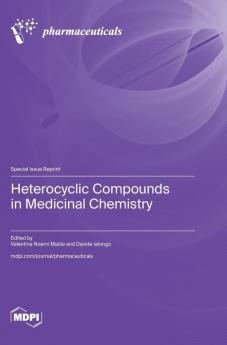
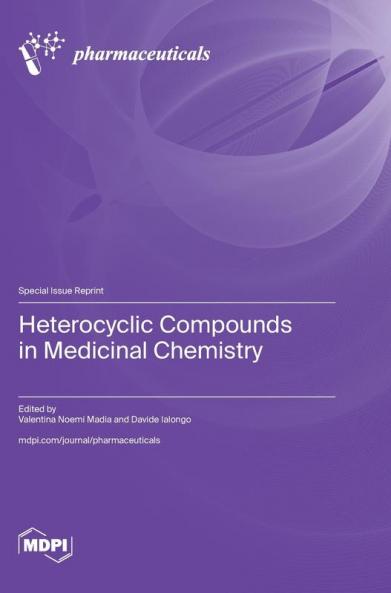
<p><span style=color: rgba(23 43 77 1)>Although current medicinal chemistry landscapes seem to have changed thanks to the great advent of modern biological drugs small molecules remain of crucial prominance in the identification of new drugs. Indeed small molecules exert therapeutically favorable advantages such as oral administration tailored distribution cell membrane crossing accessible synthesis and standardization. As a result heterocycle-based small-molecule drugs represent the majority fraction of drugs currently marketed or in development. On the other side the pharmacokinetic and pharmacodynamic properties such as potency selectivity lipophilicity polarity and water solubility can be modulated through the strategic inclusion of heterocycles in the molecule. Furthermore heterocycles provide a fertile ground for the optimization of drug candidates due to their adaptable ability to hydrogen bond with target proteins and the high prevalence of rings containing oxygen sulfur and nitrogen derives from their widespread presence in a wide range of natural products whose structural motifs have always been emulated by the efforts of medicinal chemistry.</span></p><p><span style=color: rgba(23 43 77 1)>Taking all these aspects into account this Special Issue has collected new studies and new perspectives on the topic further emphasizing the challenges that are still open and possible in the field of medicinal chemistry.</span></p><p><br></p>

Piracy-free

Assured Quality

Secure Transactions

Fast Delivery

Sustainably Printed
Details
ISBN 13
9783725822928
Publication Date
-22-10-2024
Pages
-384
Weight
-723 grams
Dimensions
-170x244x30.16 mm
