


English


Hardback
₹12863
₹16254
20.86% OFF
(All inclusive*)
Delivery Options
Please enter pincode to check delivery time.
*COD & Shipping Charges may apply on certain items.
Review final details at checkout.
Looking to place a bulk order? SUBMIT DETAILS
Delivery Options
Please enter pincode to check delivery time.
*COD & Shipping Charges may apply on certain items.
Review final details at checkout.
About The Book
Description
Author(s)
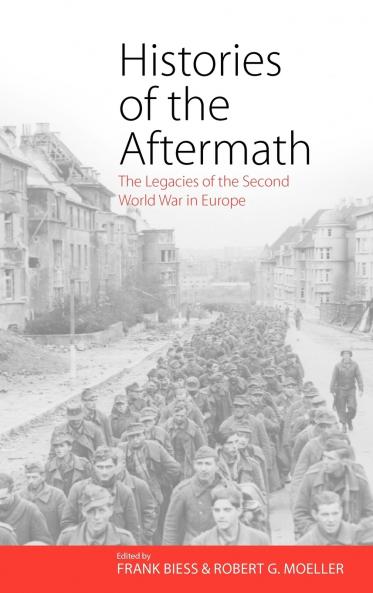
<p> In 1945 Europeans confronted a legacy of mass destruction and death: millions of families had lost their homes and livelihoods; millions of men in uniform had lost their lives; and millions more had been displaced by the war's destruction and the genocidal policies of the Nazi regime. From a range of methodological historical perspectives-military cultural and social to film and gender and sexuality studies-this volume explores how Europeans came to terms with these multiple pasts. With a focus on distinctive national experiences in both Eastern and Western Europe it illuminates how postwar stabilization coexisted with persistent insecurities injuries and trauma.</p>

Piracy-free

Assured Quality

Secure Transactions

Fast Delivery

Sustainably Printed
Details
ISBN 13
9781845457327
Publication Date
-01-07-2010
Pages
-330
Weight
-562 grams
Dimensions
-156x234x19.05 mm
